







For a minute there, it looked like 2026 might finally be the year the South Bay housing market got back to something resembling normal.
We entered the year with a lot moving in the right direction. Mortgage rates had been easing, more inventory was coming to market, buyers had more choices, and it felt like we might finally be reaching the end of the very long, very weird housing cycle that started during COVID.
Rates even dipped below 6% briefly earlier this year.
Then the world had other plans.
Conflict overseas sent energy markets into turmoil. Oil prices surged, inflation concerns returned, the bond market reacted, and the 10-year Treasury yield, one of the biggest drivers of mortgage rates, moved sharply higher. Mortgage rates followed.
As of the beginning of October, the average 30-year fixed mortgage rate had jumped to 7.28%, its largest weekly increase in four years.
Not exactly the soft landing everyone was hoping for.
But here's the thing:
The show must go on.
People still get married. They have kids. They get divorced. They get new jobs. They inherit homes. They outgrow houses. They downsize. They move across the country. They decide they want a backyard, a better school district or to finally live by the beach.
Buyers are still going to buy, and sellers are still going to sell.
Maybe fewer of them. Maybe with a little more caution. But real estate doesn't stop.
Five Years That Tell the Story - But Not the Whole Story
The transaction numbers show just how unusual the last several years have been.
Across a broad South Bay regional dataset, roughly 10,279 homes changed hands in 2021, near the peak of the ultra-low-rate COVID housing boom. That fell to 7,616 in 2022 and then just 6,481 in 2023.
Activity finally began stabilizing in 2024, with a little over 6,600 transactions, and 2025 improved approximately 4% year over year.
Through the first half of 2026, South Bay transaction volume was running approximately 5% below the same period in 2025.
2021: 10,279 sales
2022: 7,616 sales - down roughly 26%
2023: 6,481 sales - down roughly 15%
2024: just over 6,600 sales - essentially stabilizing
2025: approximately 4% more sales than 2024
2026: roughly 5% fewer transactions YoY through the first half
But there's an important piece of context missing if we look at transaction volume alone:
You can't sell a house that isn't for sale.
For much of this period, the South Bay hasn't simply had fewer transactions - it has also had dramatically fewer homes available to buy than we were accustomed to before COVID.
That's a huge distinction.
When homeowners are sitting on 2.5%, 3% or 4% mortgages, there is an obvious financial disincentive to sell that home and replace the loan with one at today's rates. That "lock-in effect" has kept a tremendous amount of inventory off the market.
So declining transaction volume should not automatically be interpreted as buyers disappearing.
There have simply been fewer opportunities for buyers and sellers to transact.
And when you compare available inventory with the number of homes actually selling, you start to see a much more nuanced picture:
There are still plenty of buyers. They're just much more selective about what deserves their attention.
That distinction defines the 2026 South Bay market.
The Good Houses Are Still Selling
Here's what I'm seeing firsthand:
Homes that are priced well, prepared properly and marketed aggressively are still selling, and in many cases they're selling exceptionally well.
Of every listing I've brought to market this year, all but two have established a new all-time price record for their respective neighborhood or market segment.
And some of those results happened after rates began moving higher.
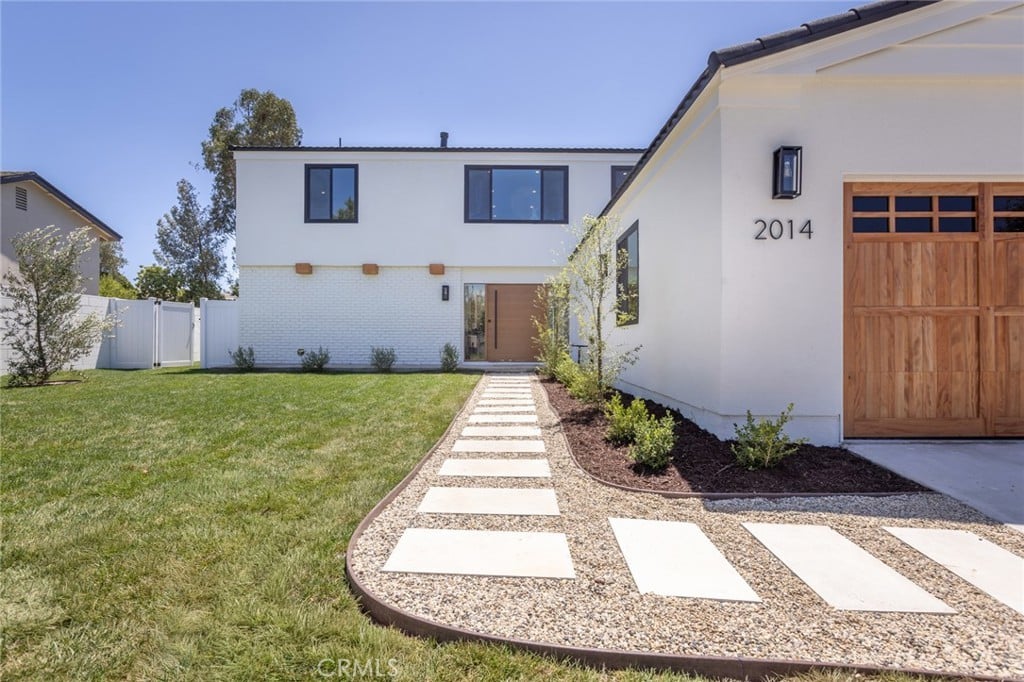
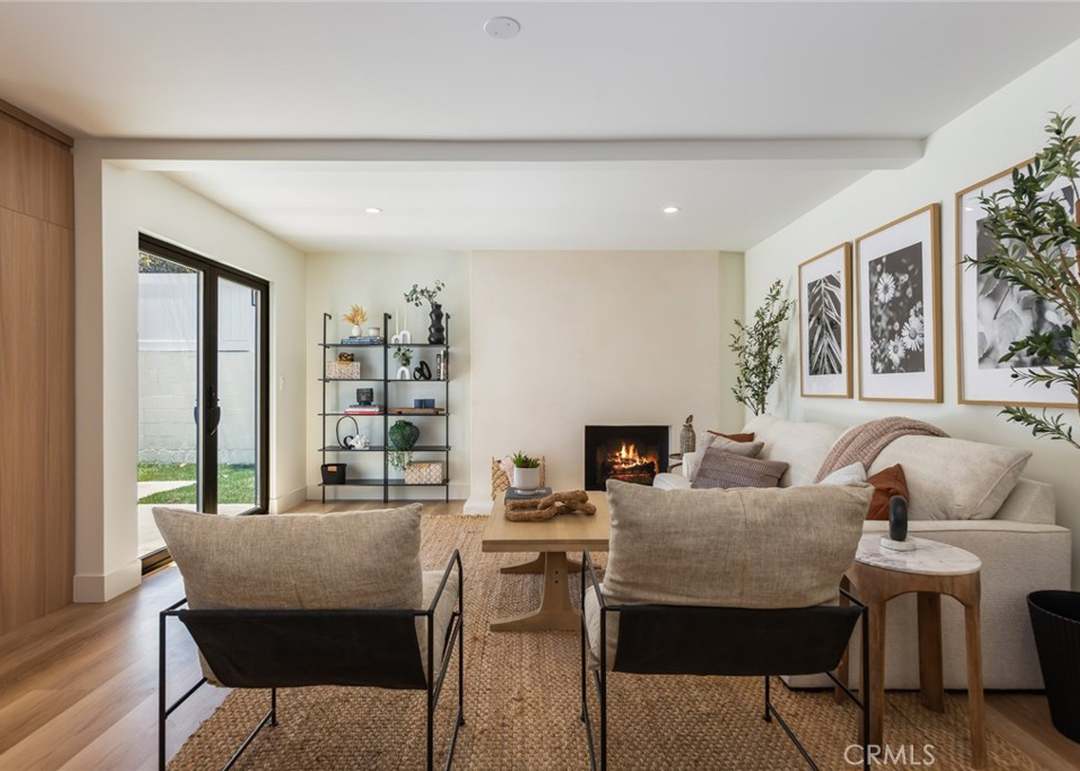
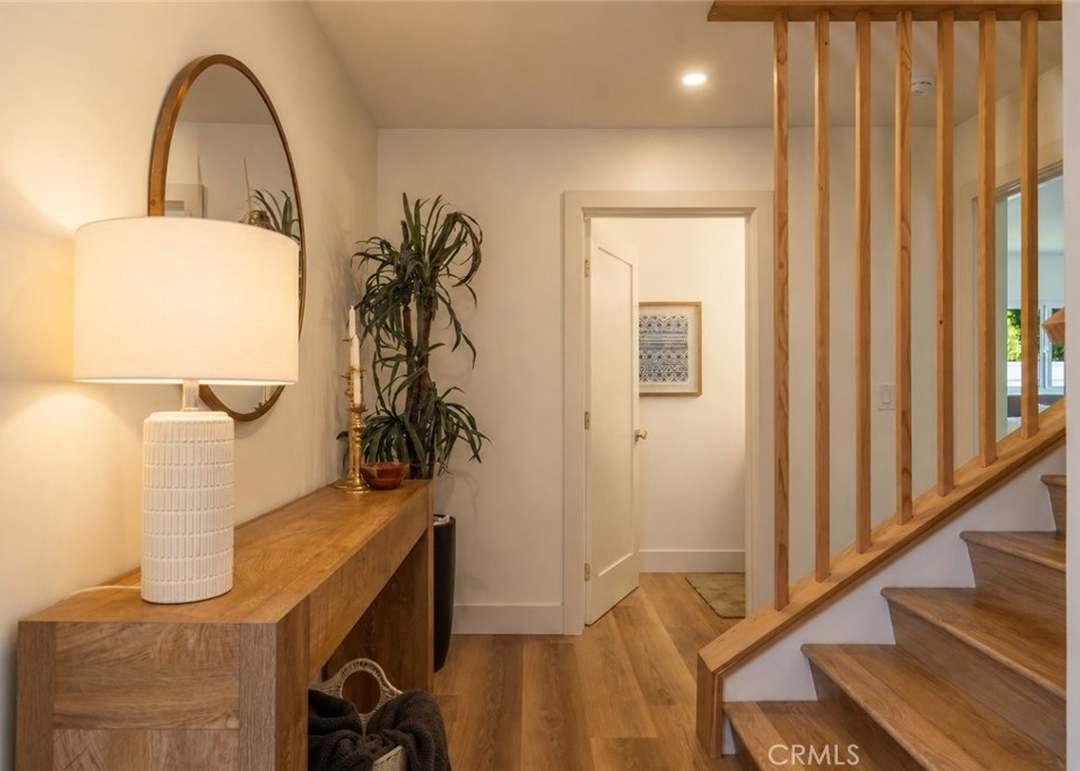
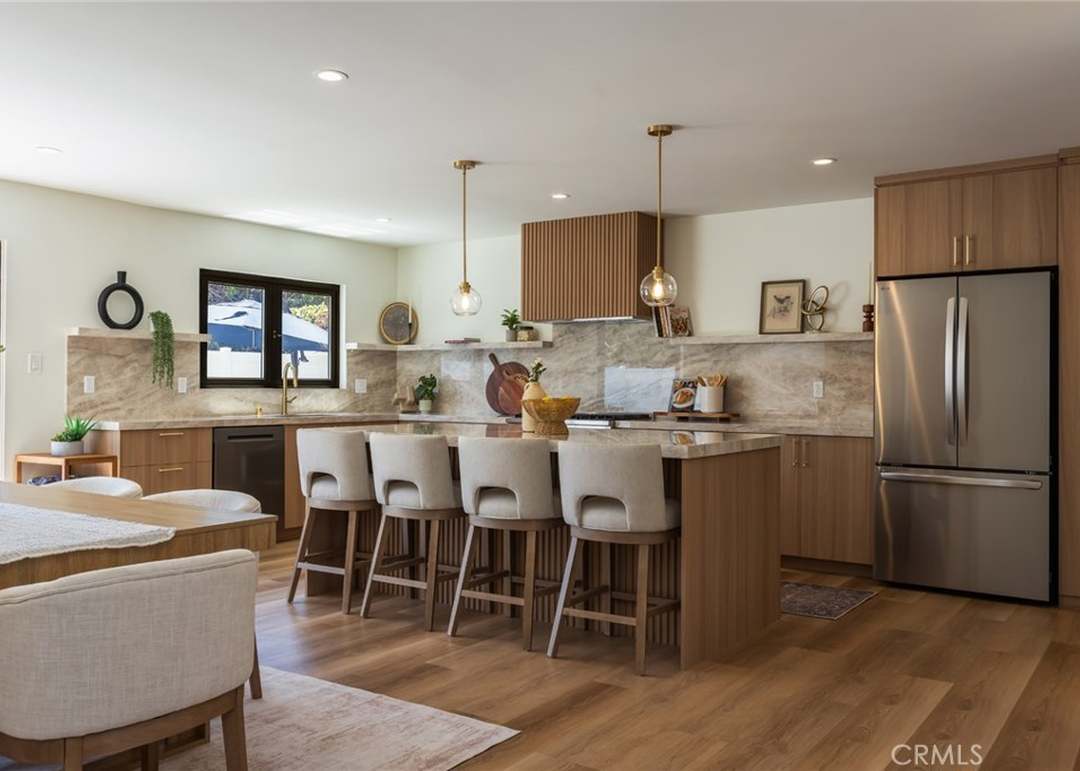
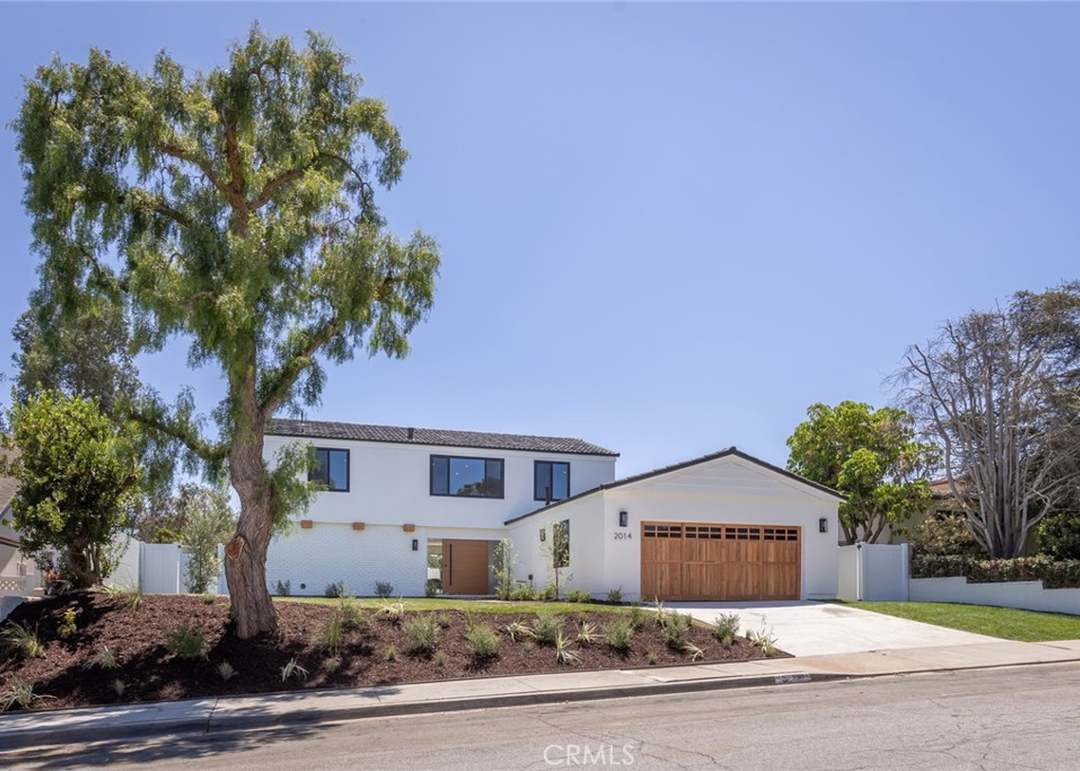
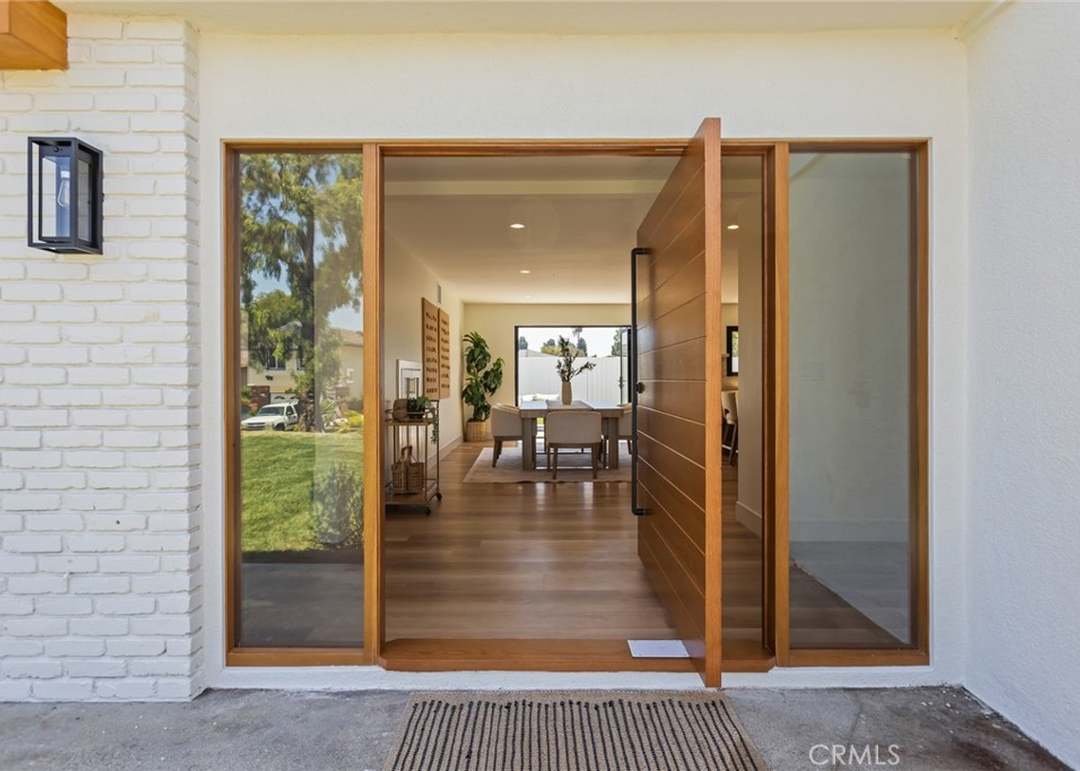
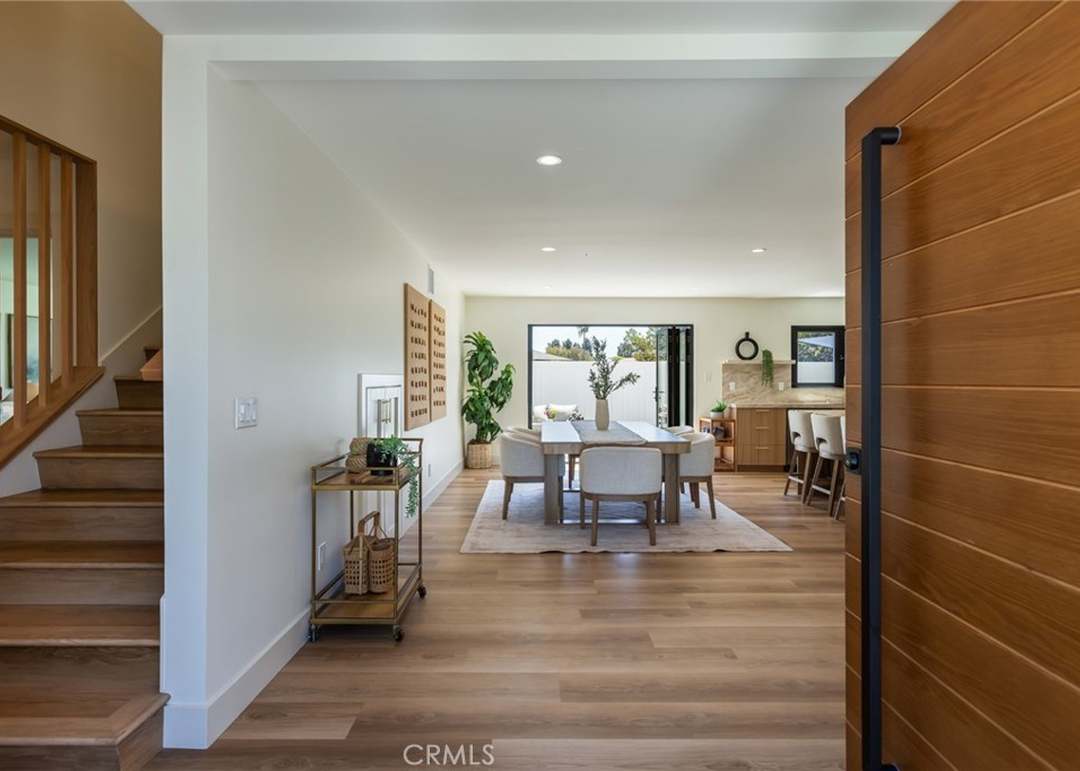
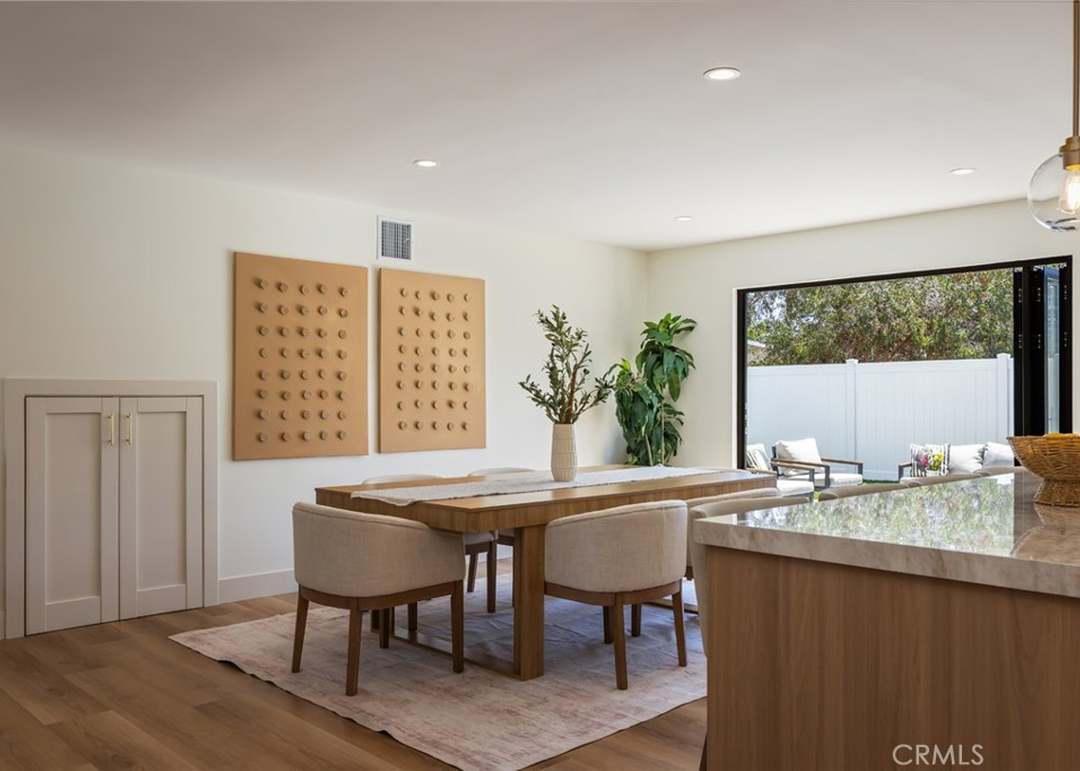
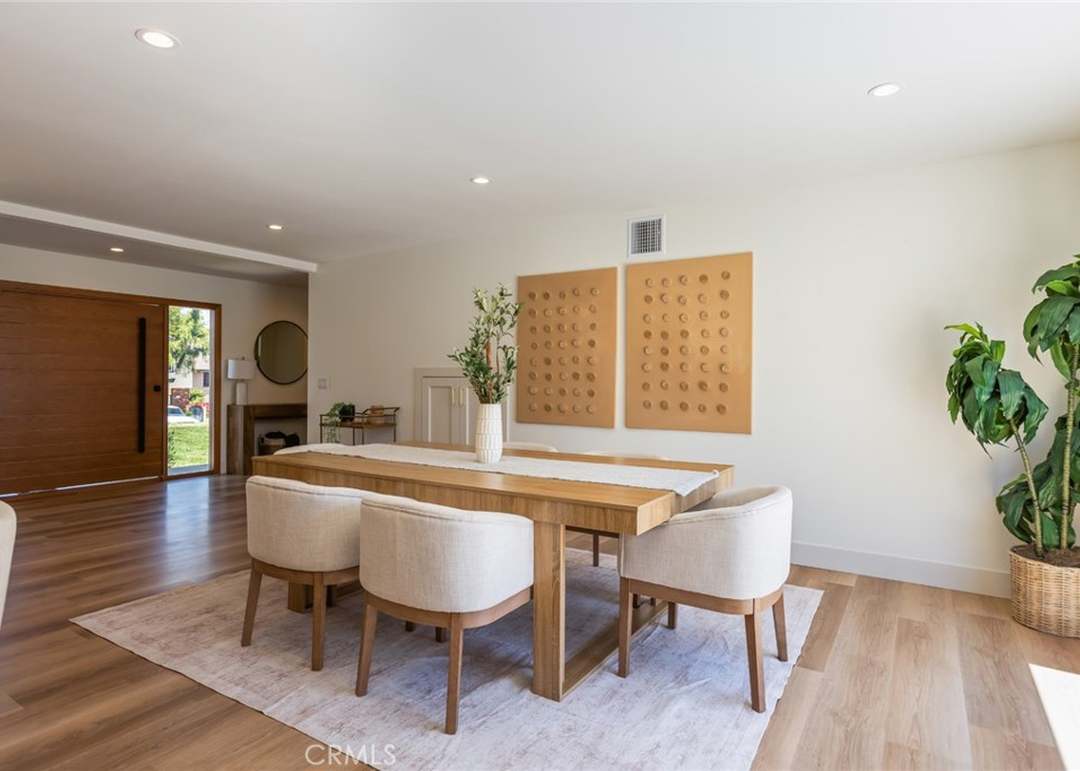
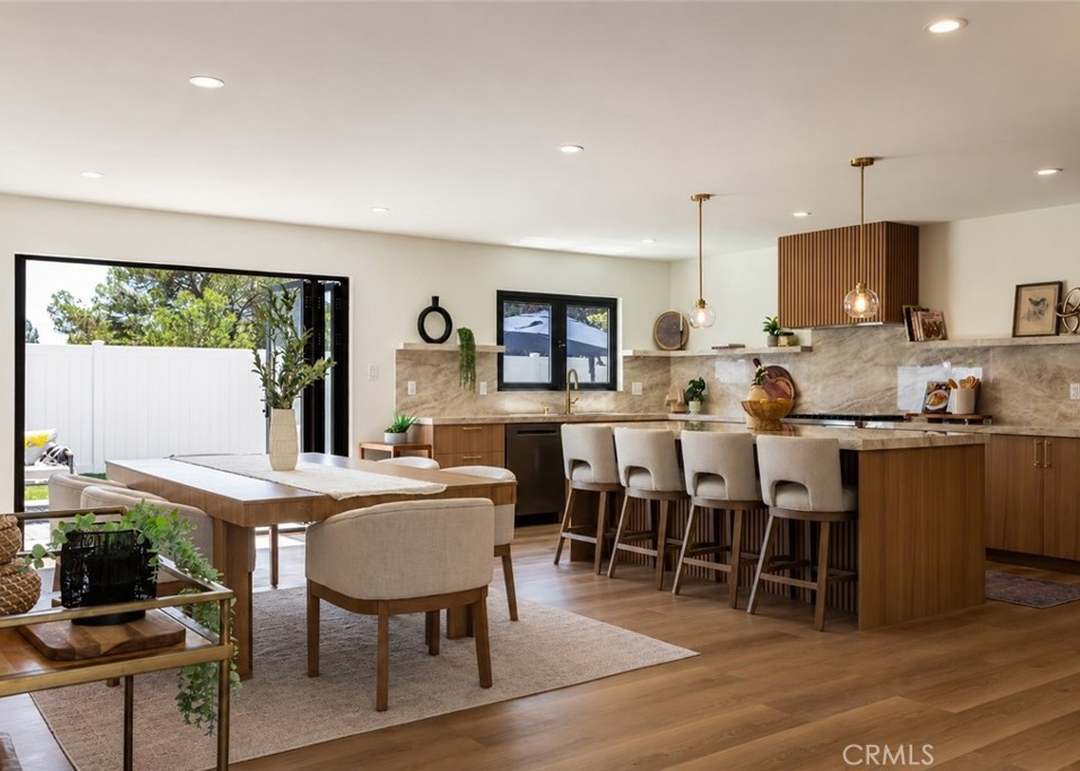
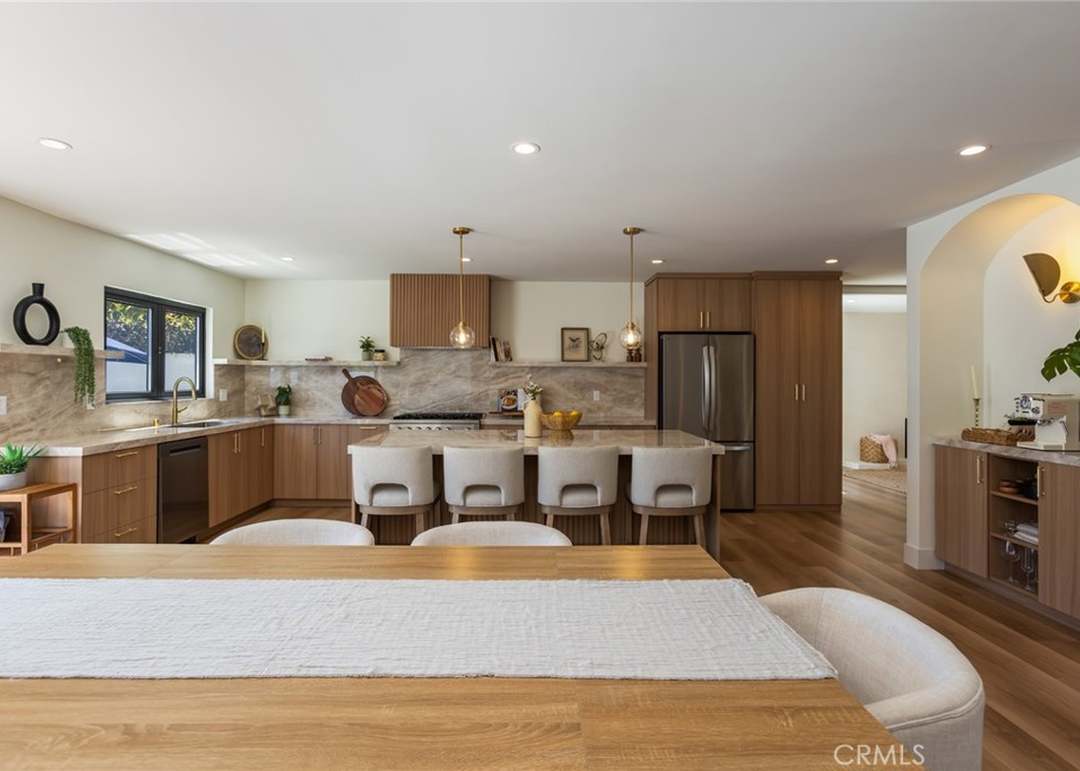
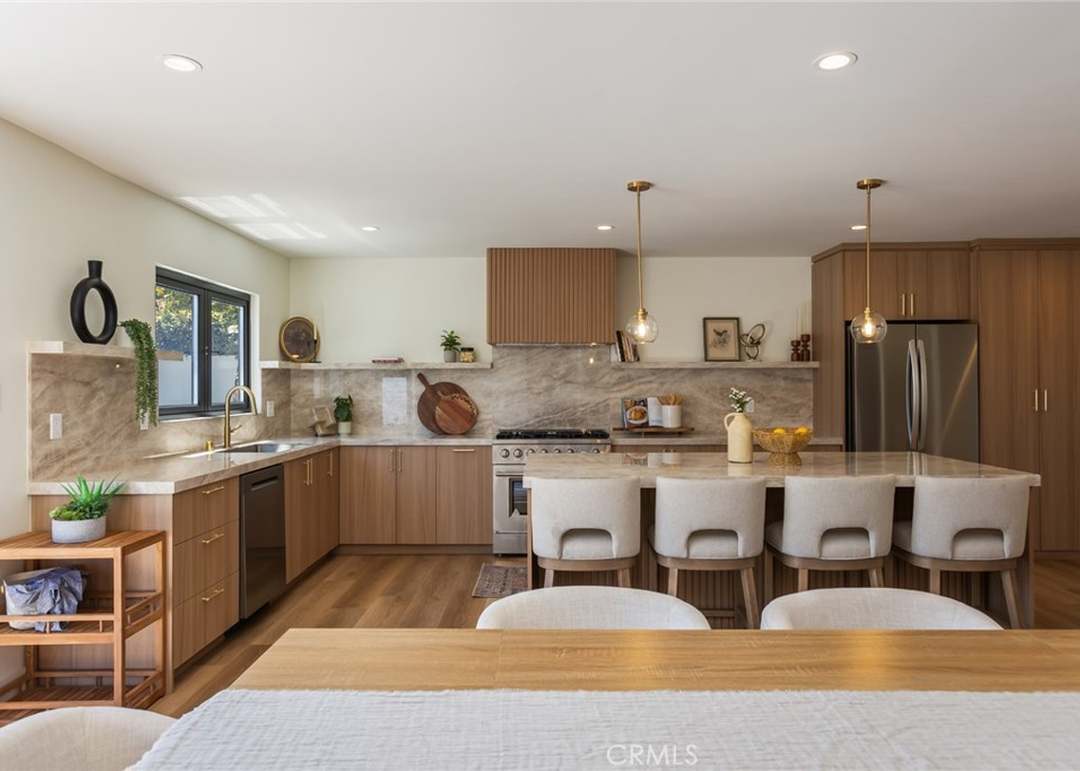
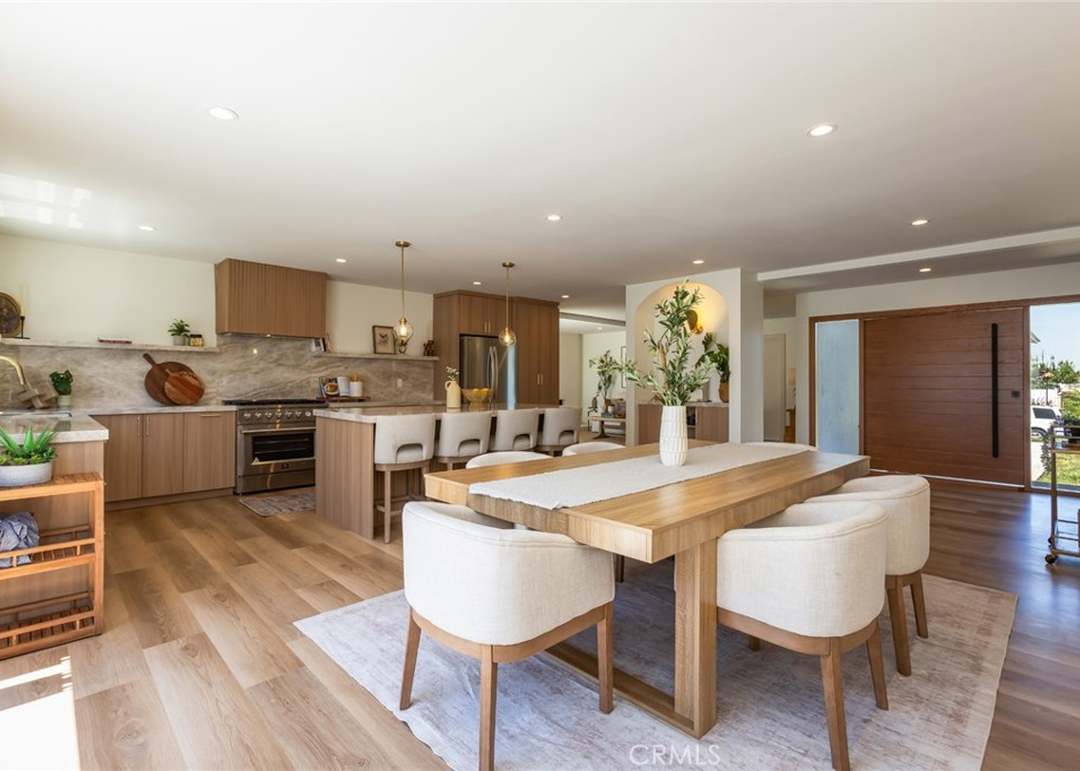
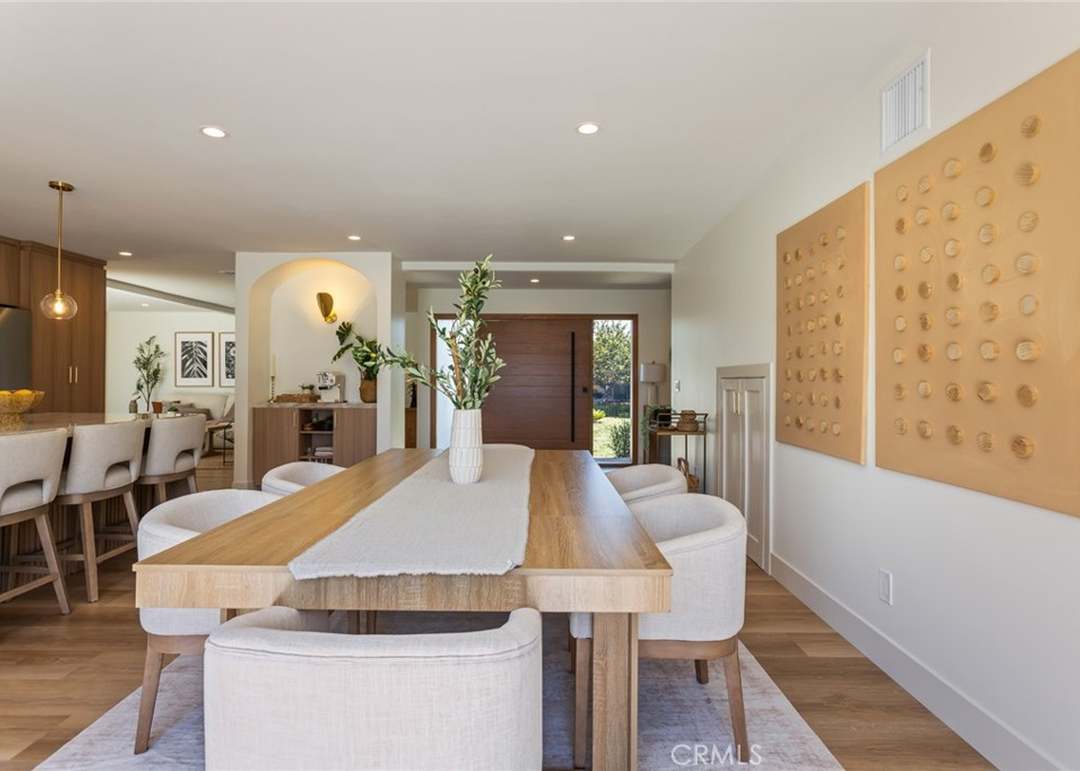
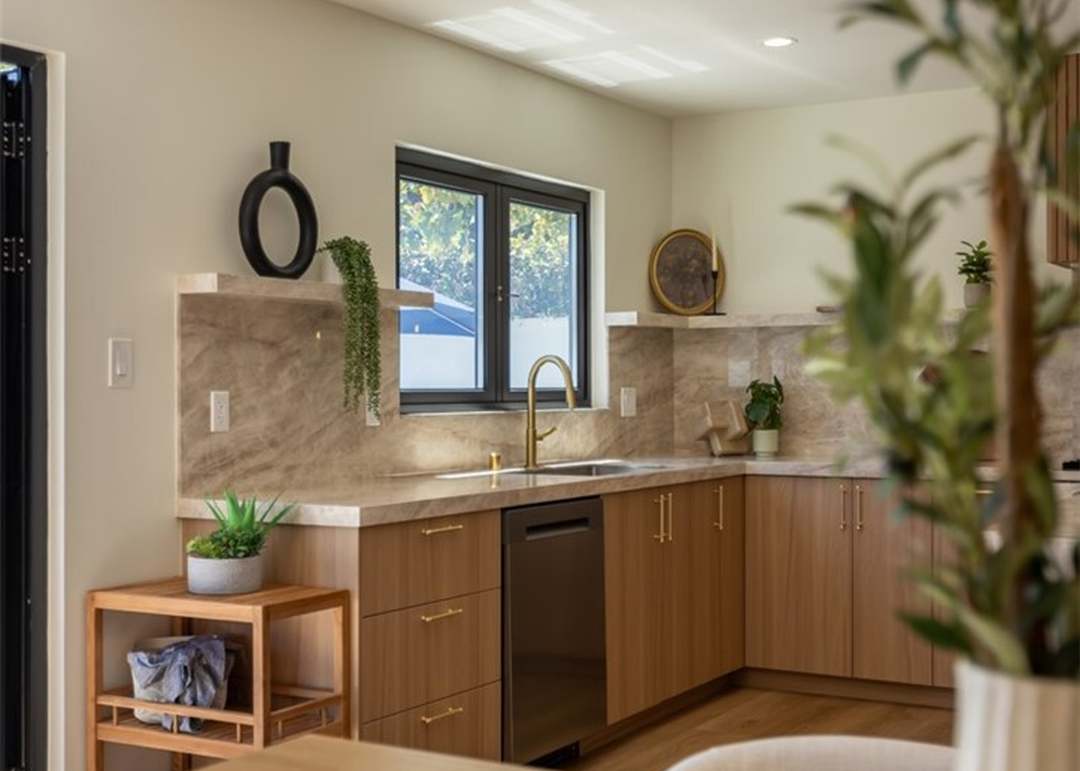
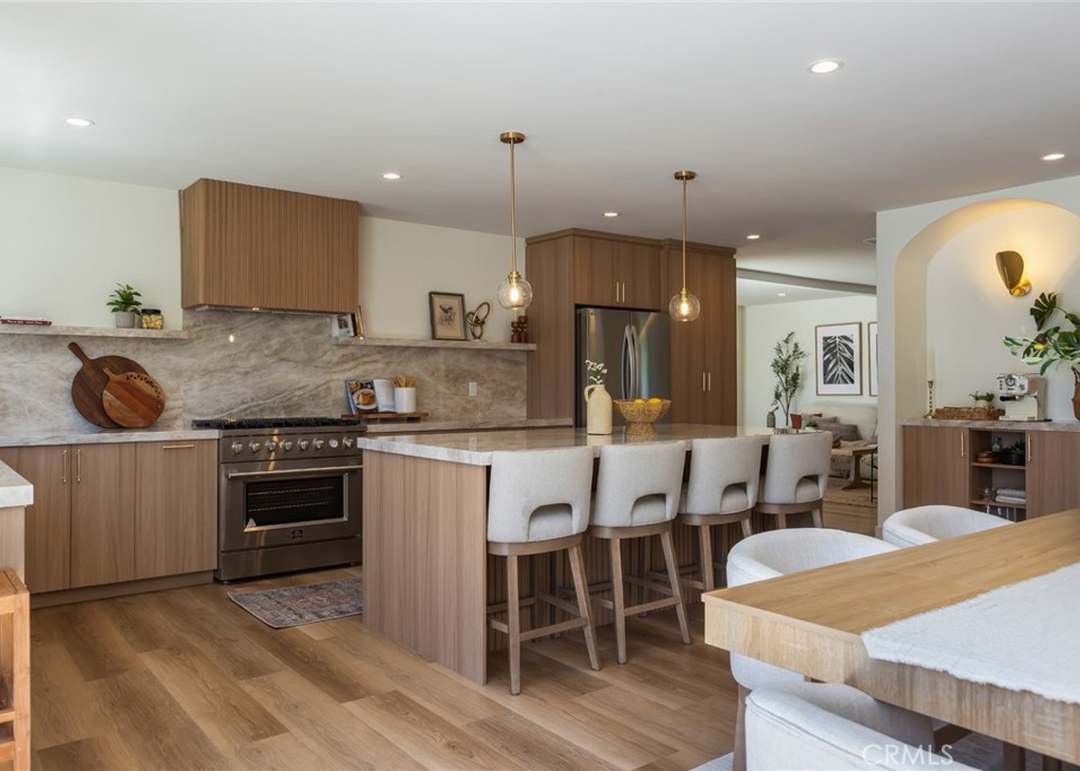
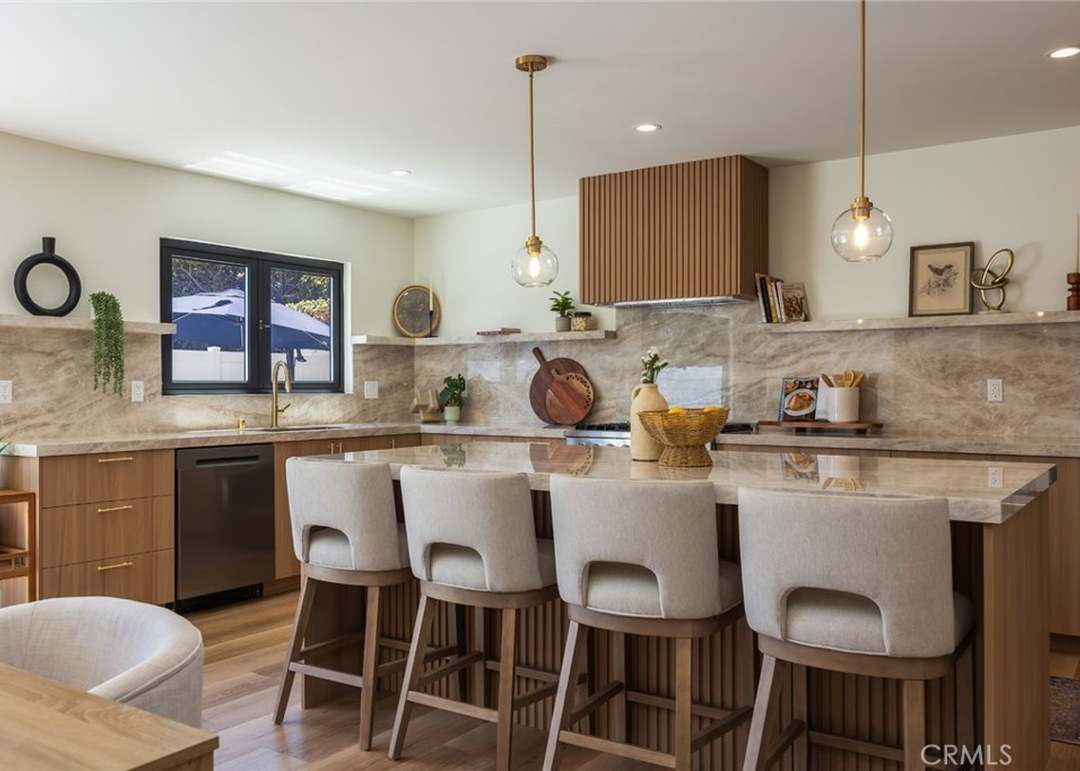
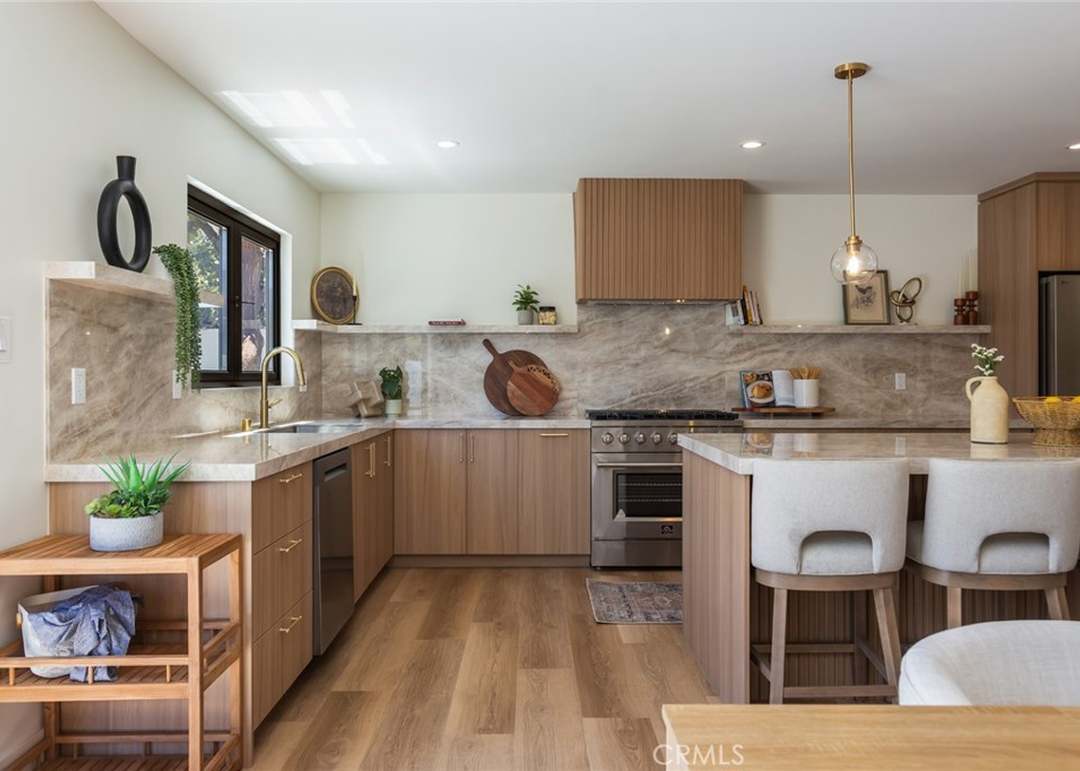
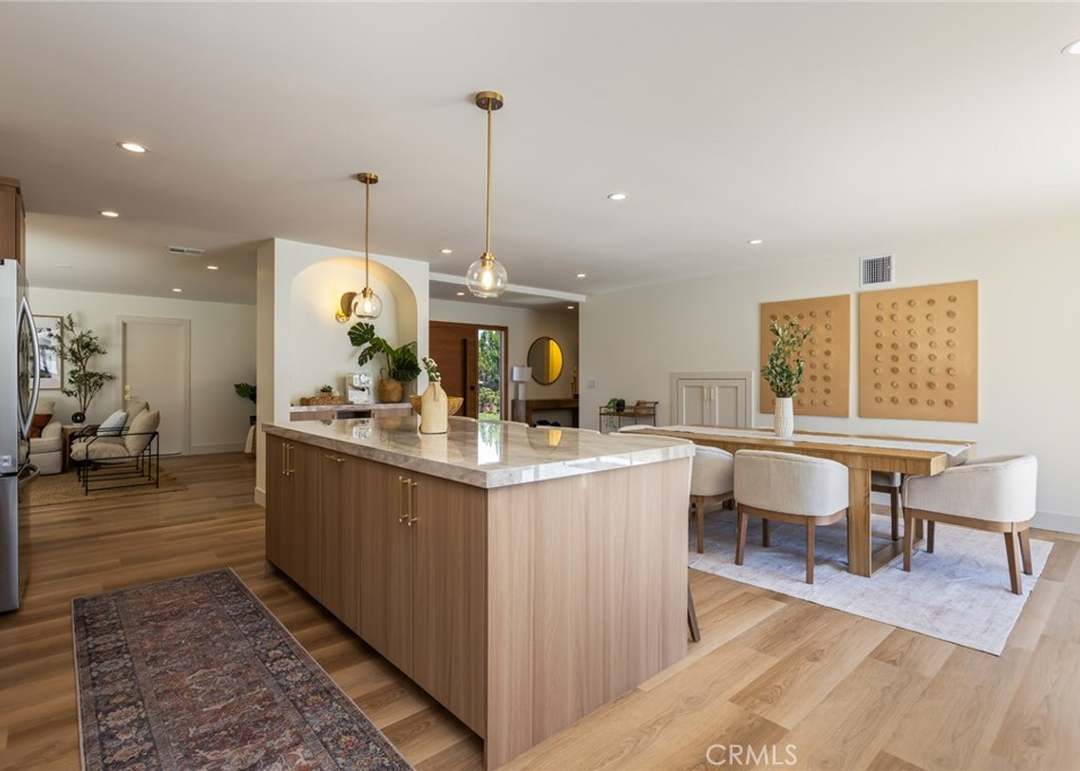
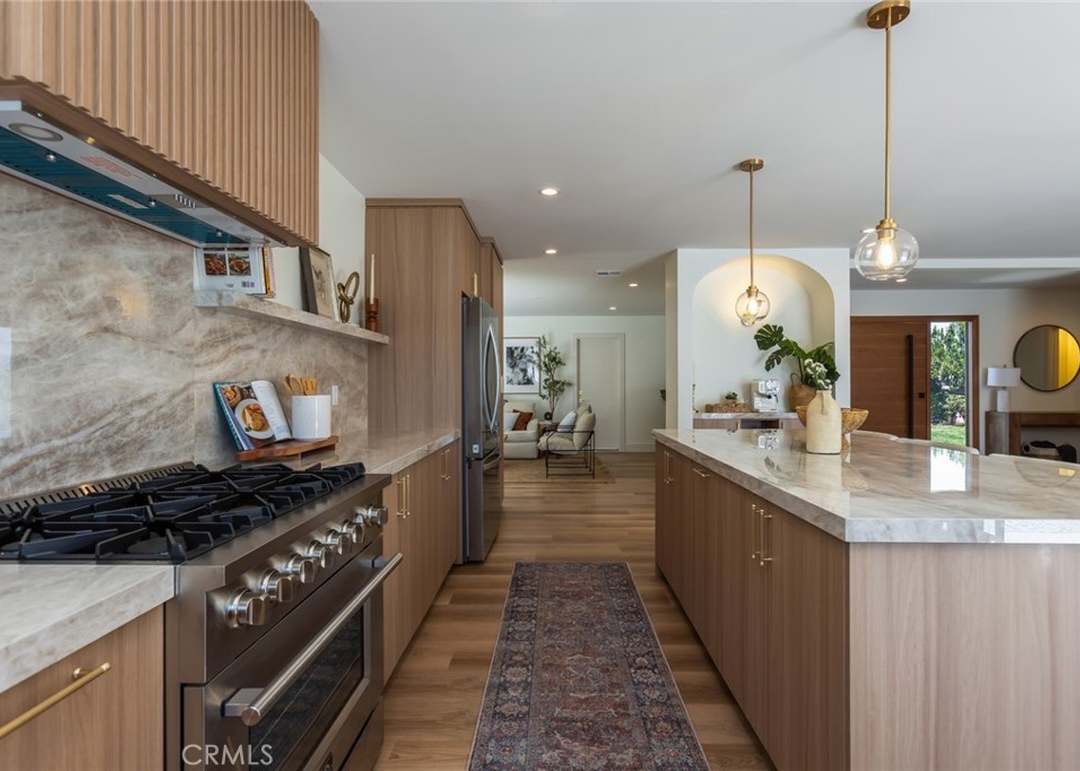
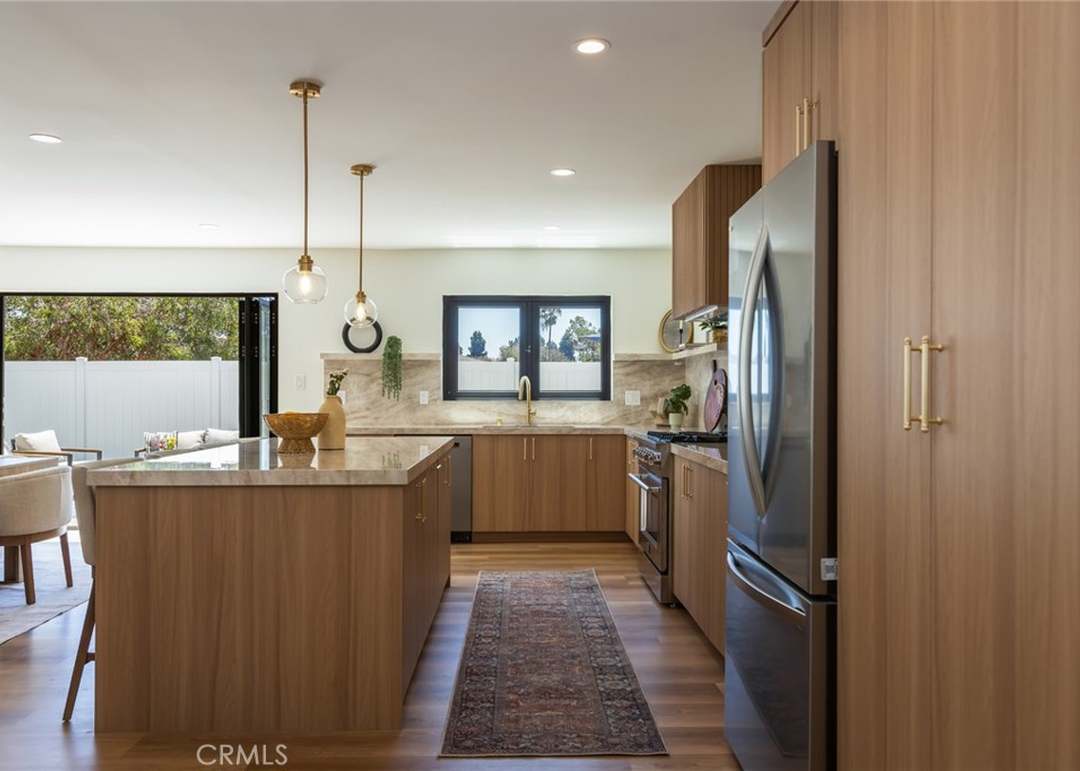
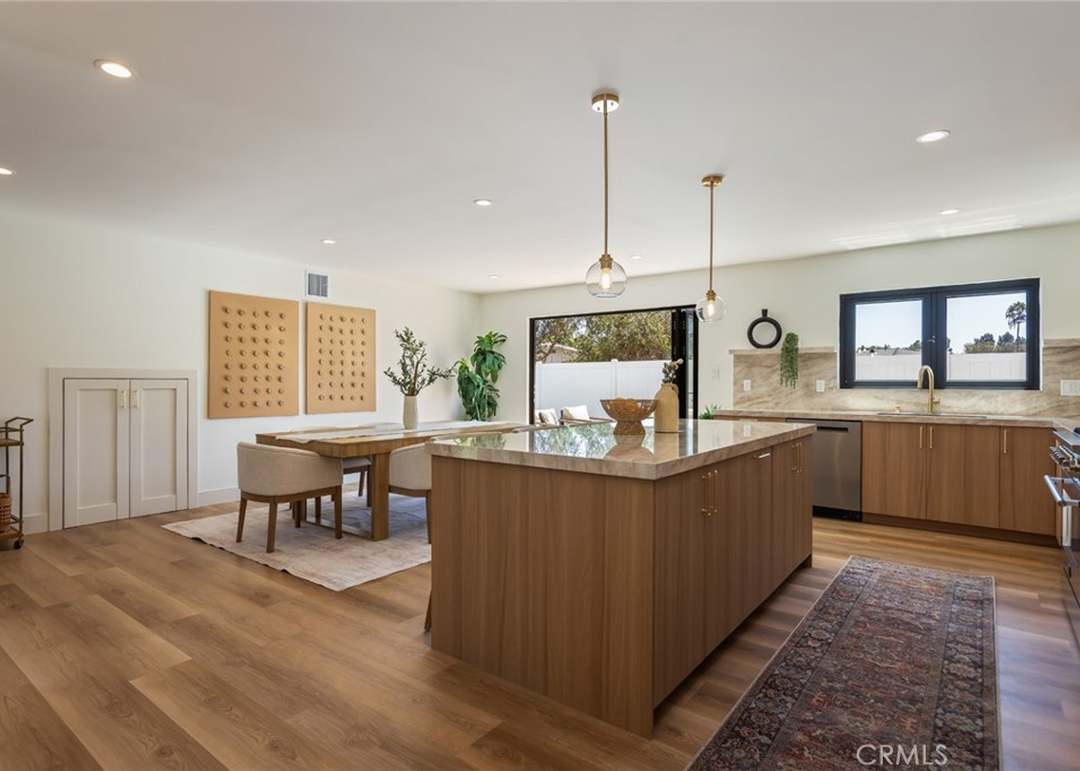
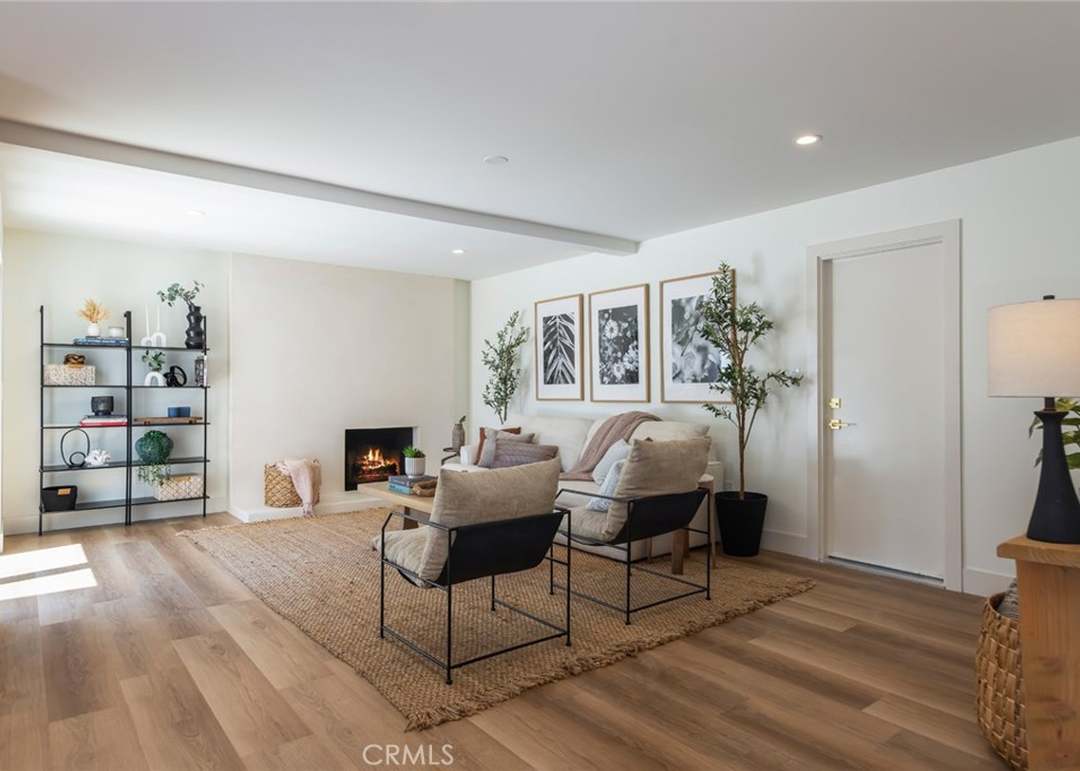
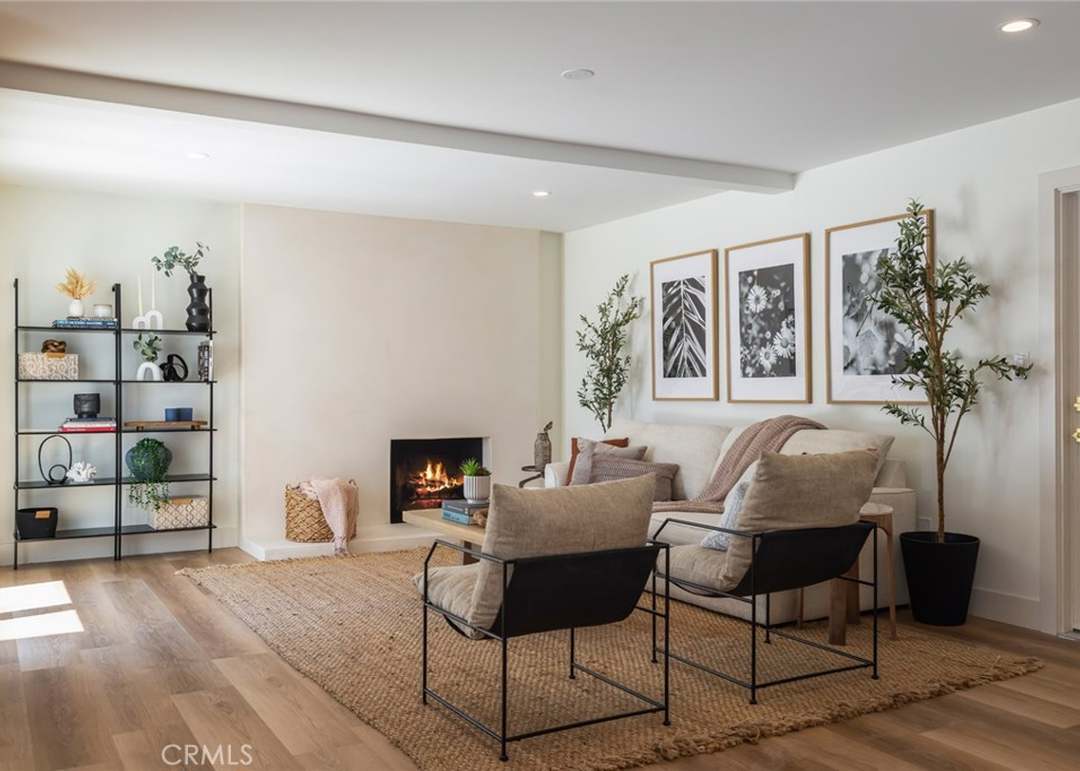
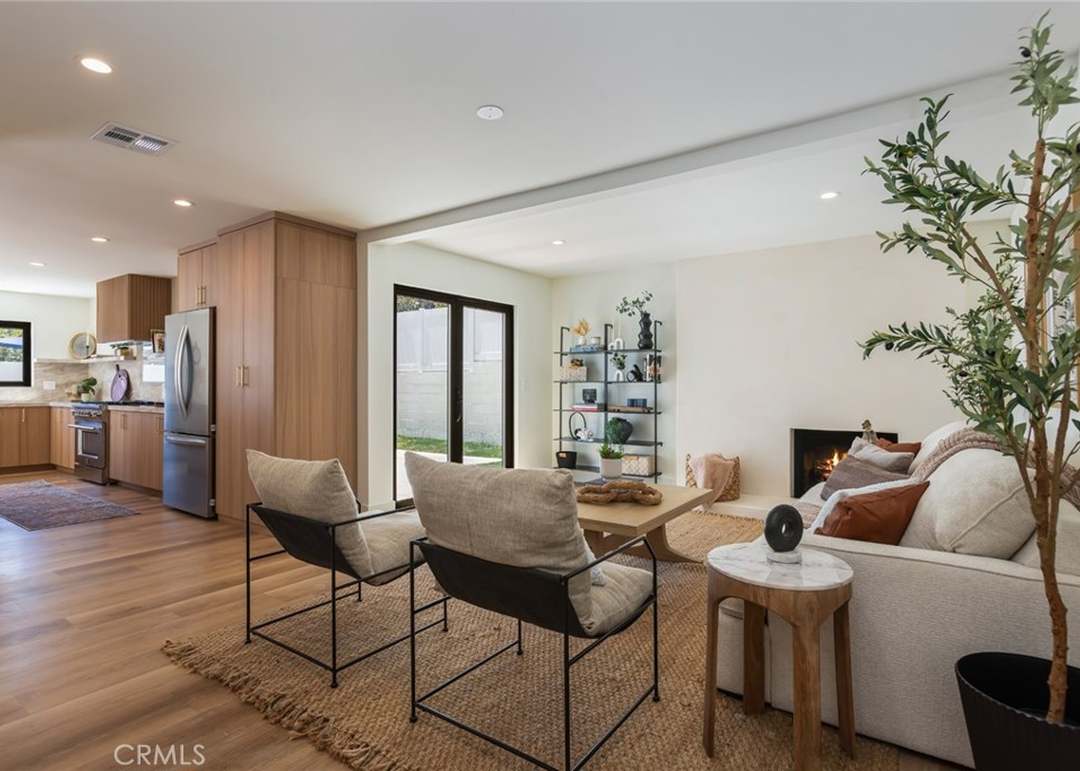
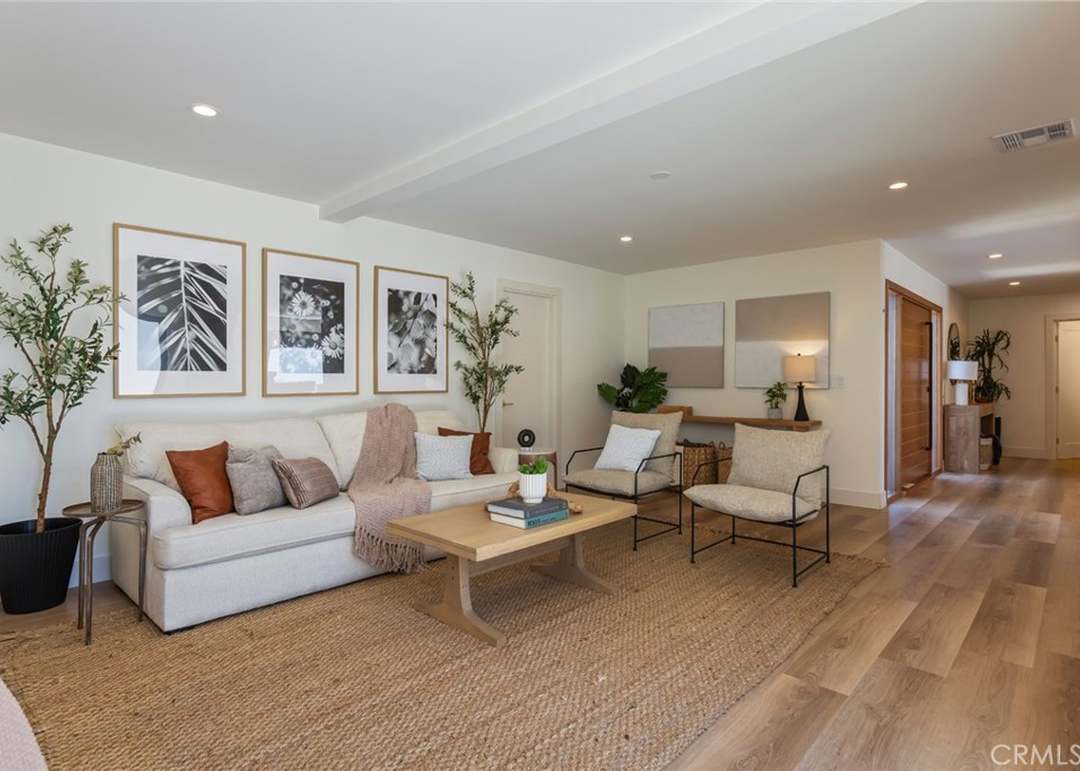
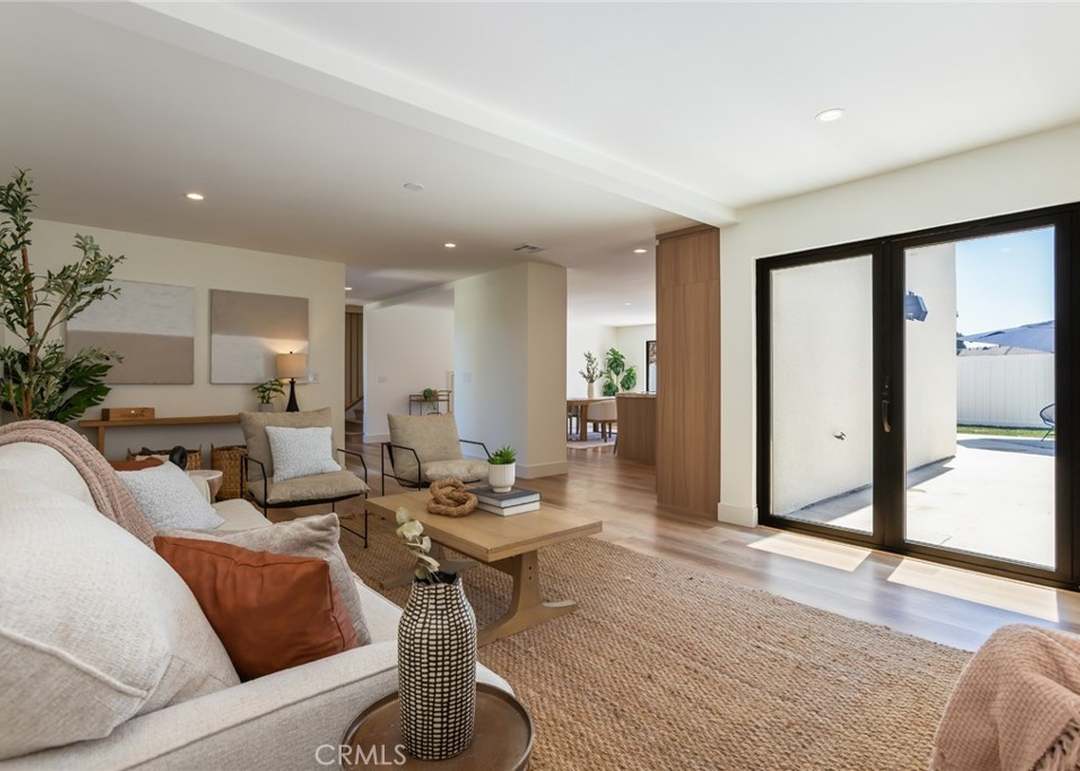
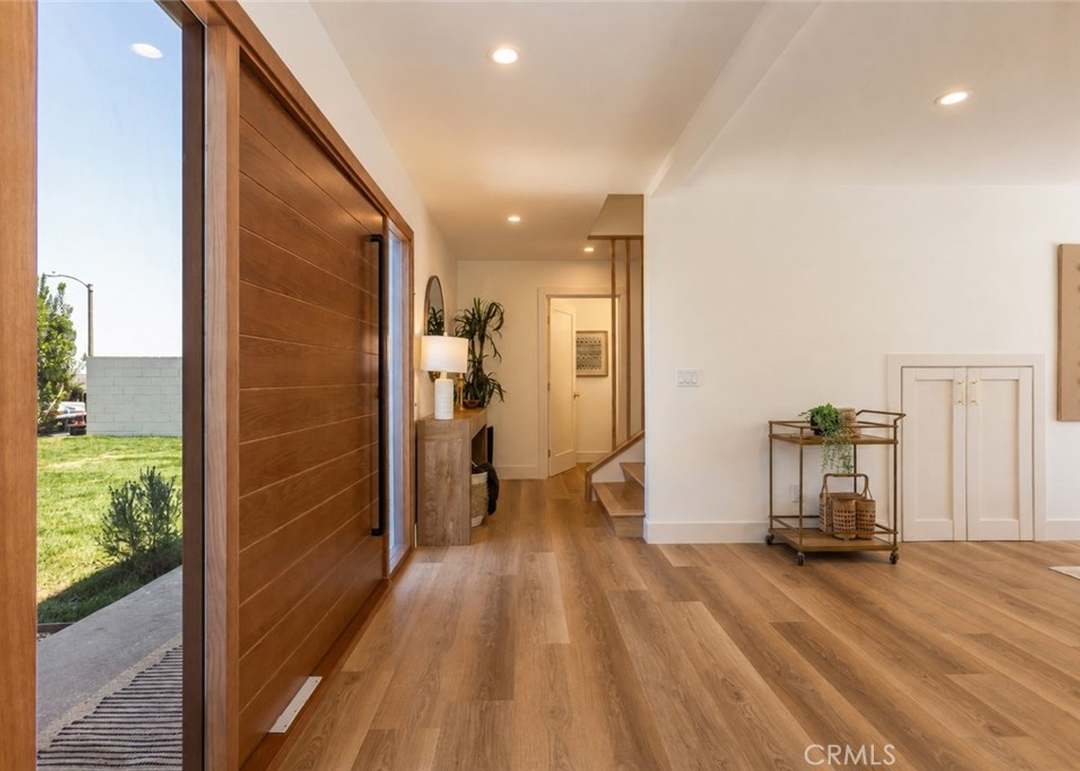
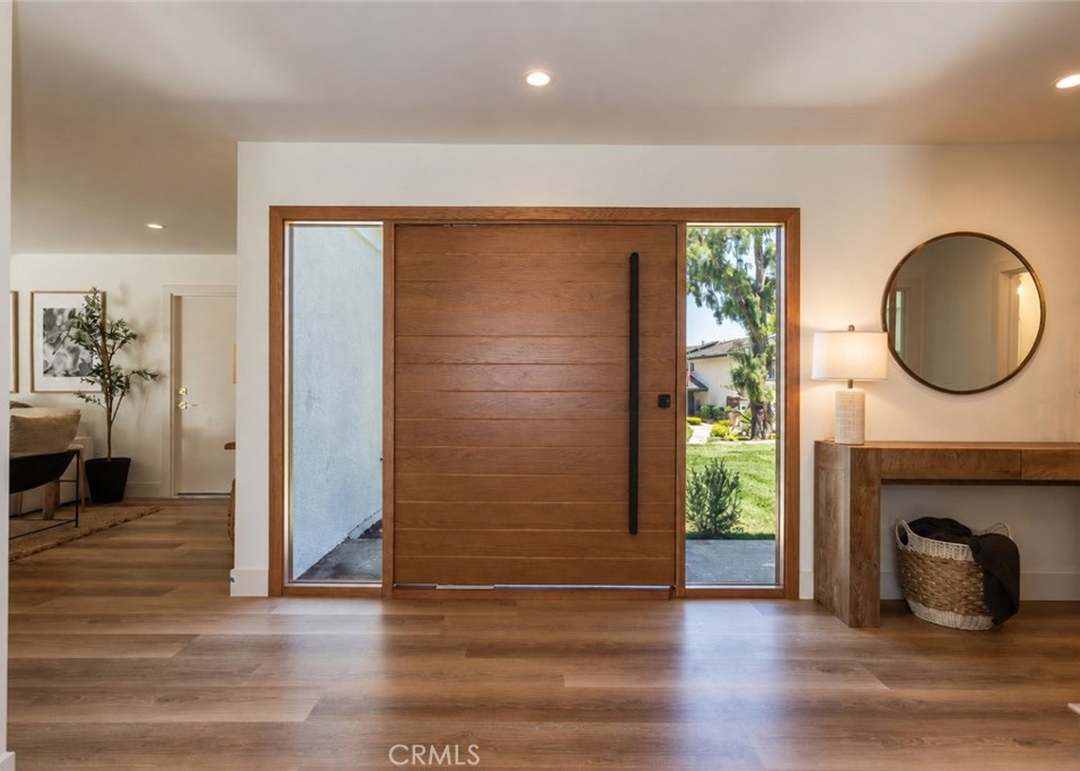
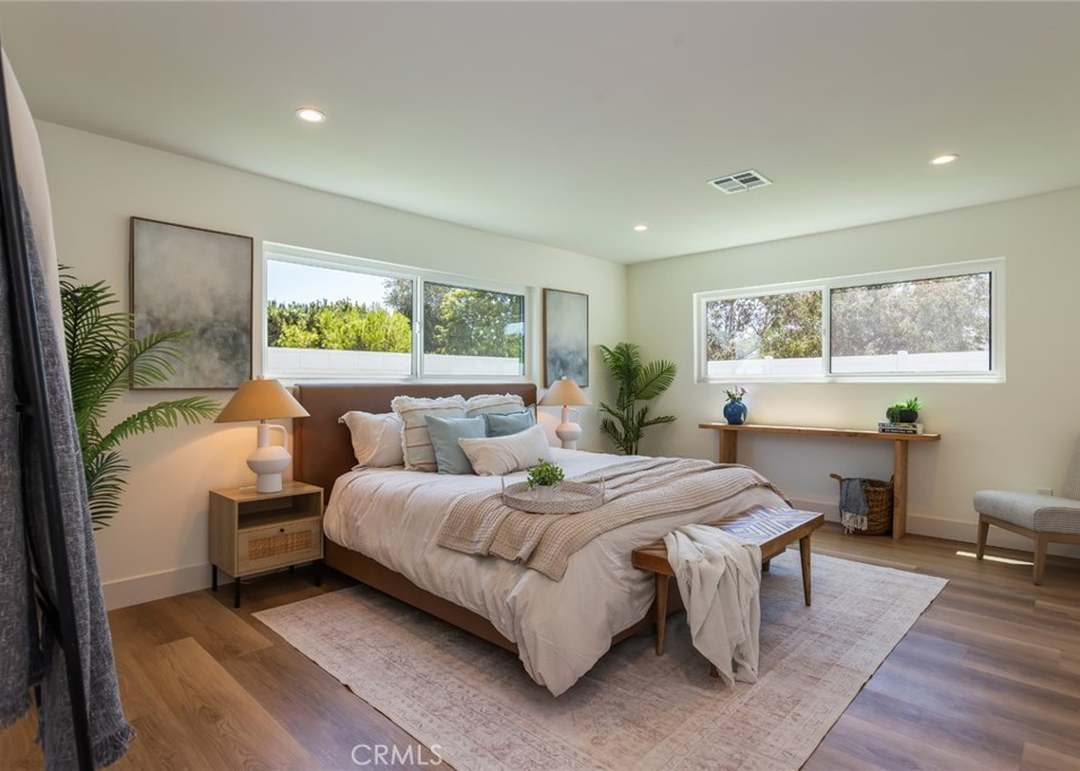
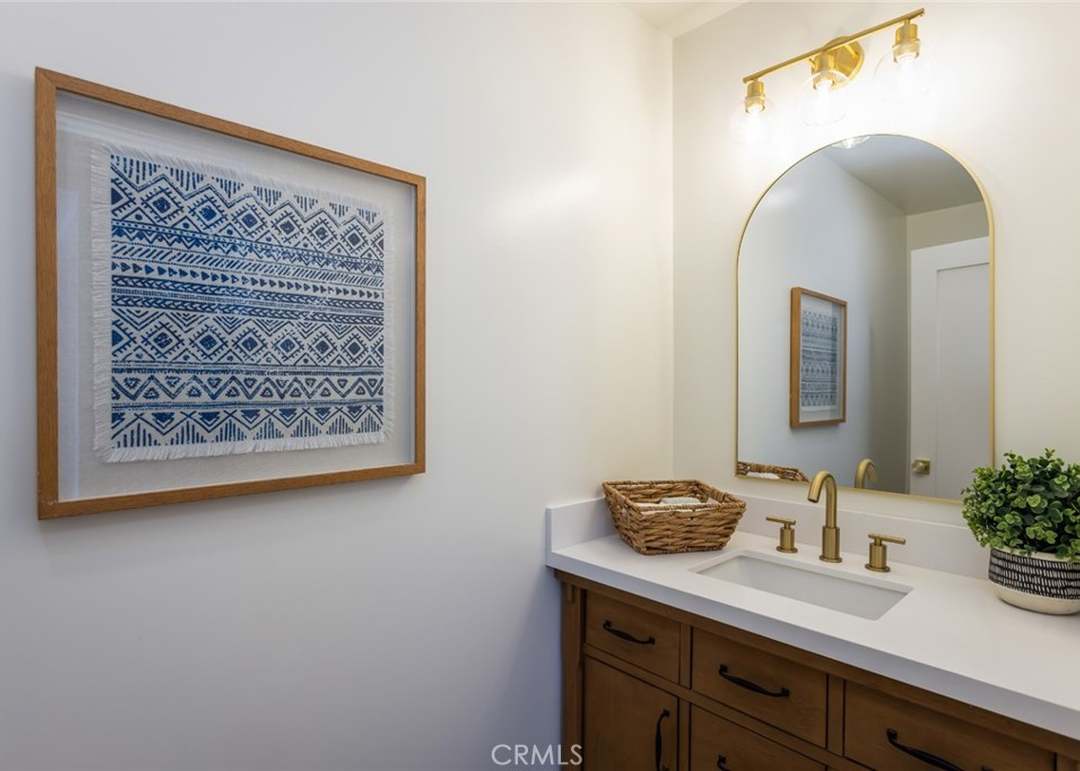
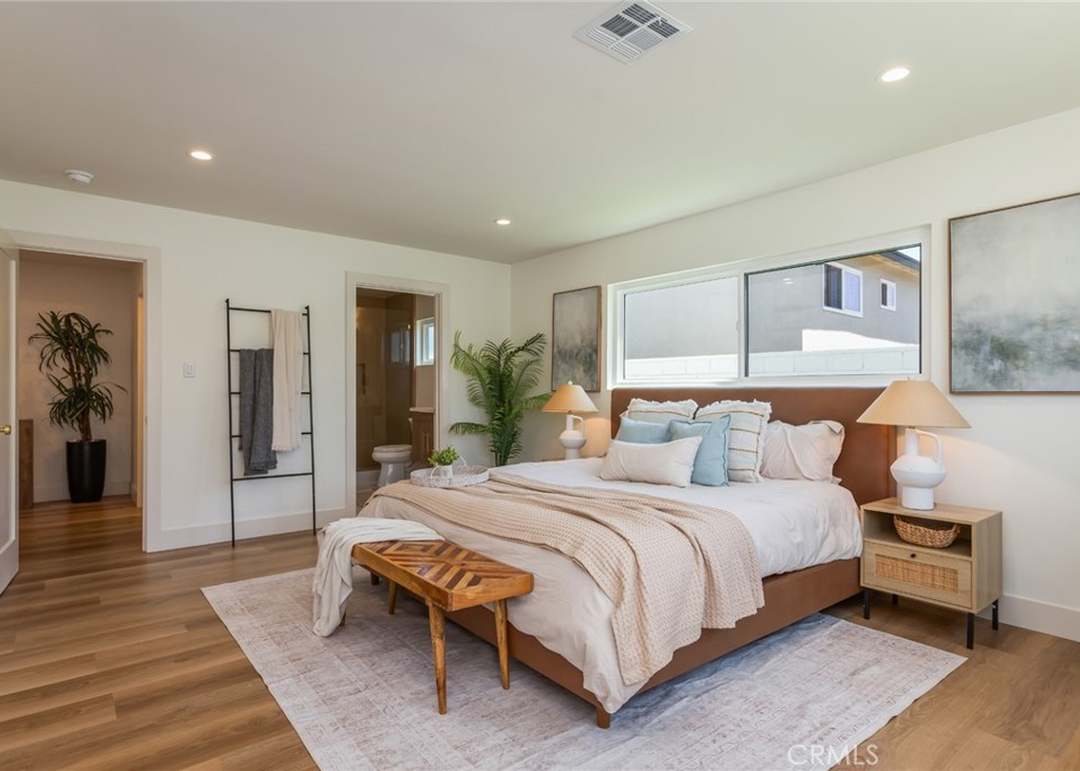
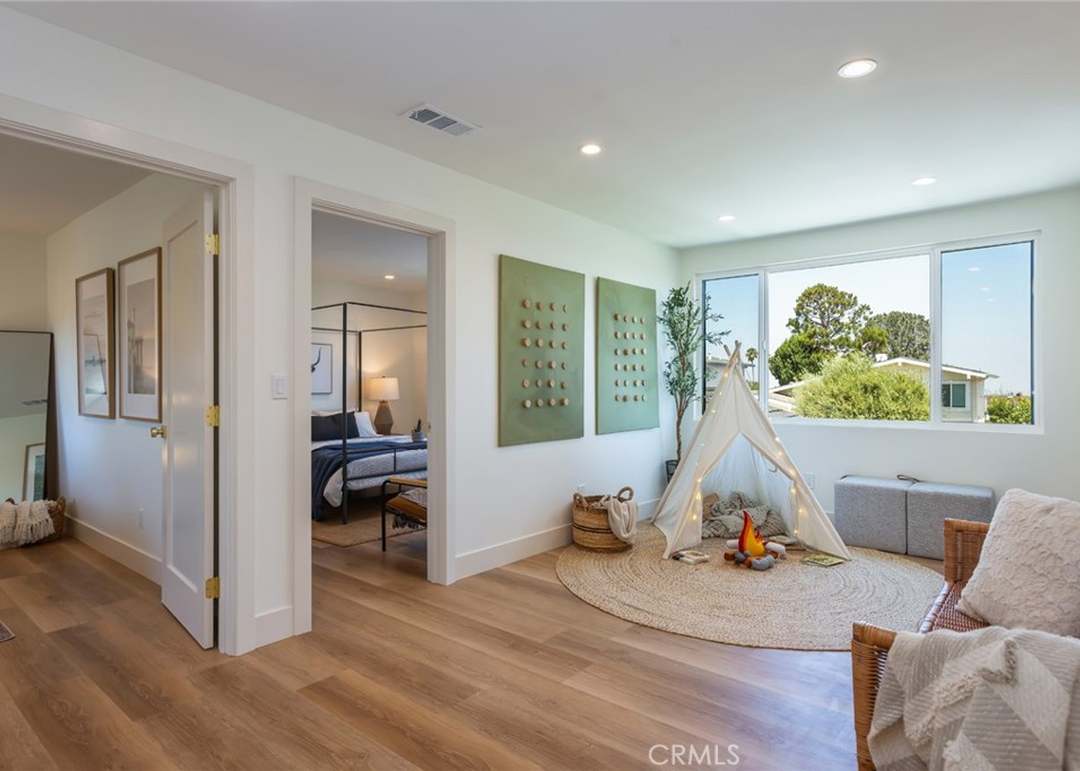
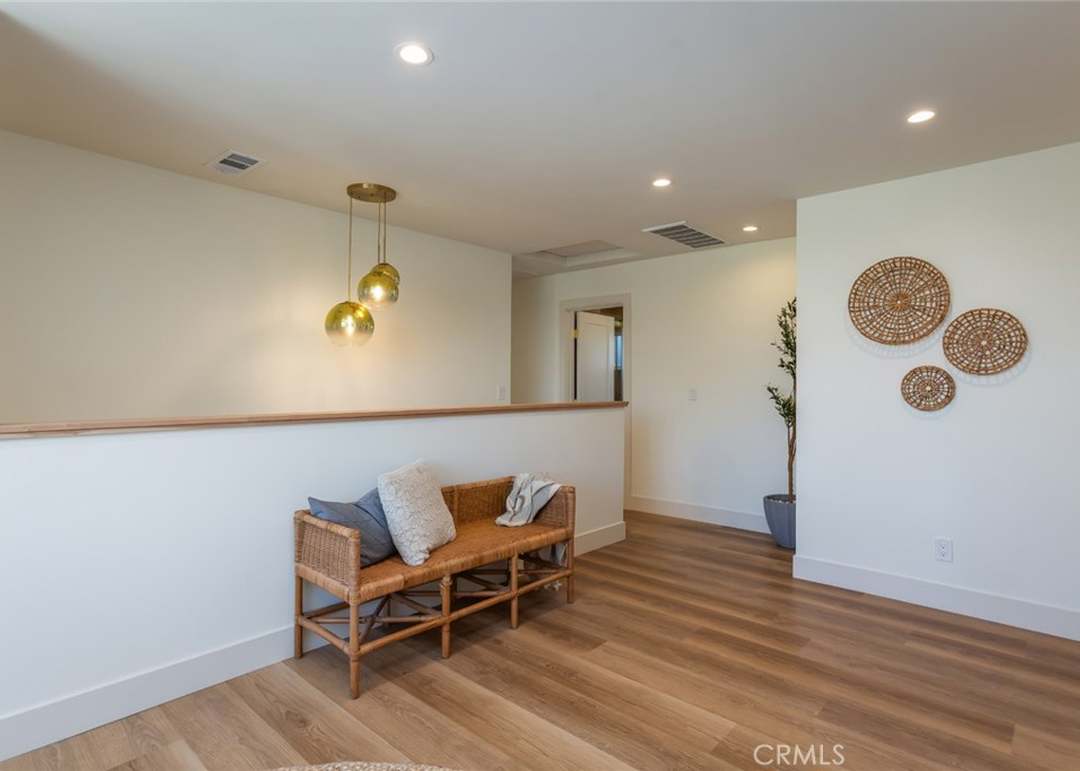
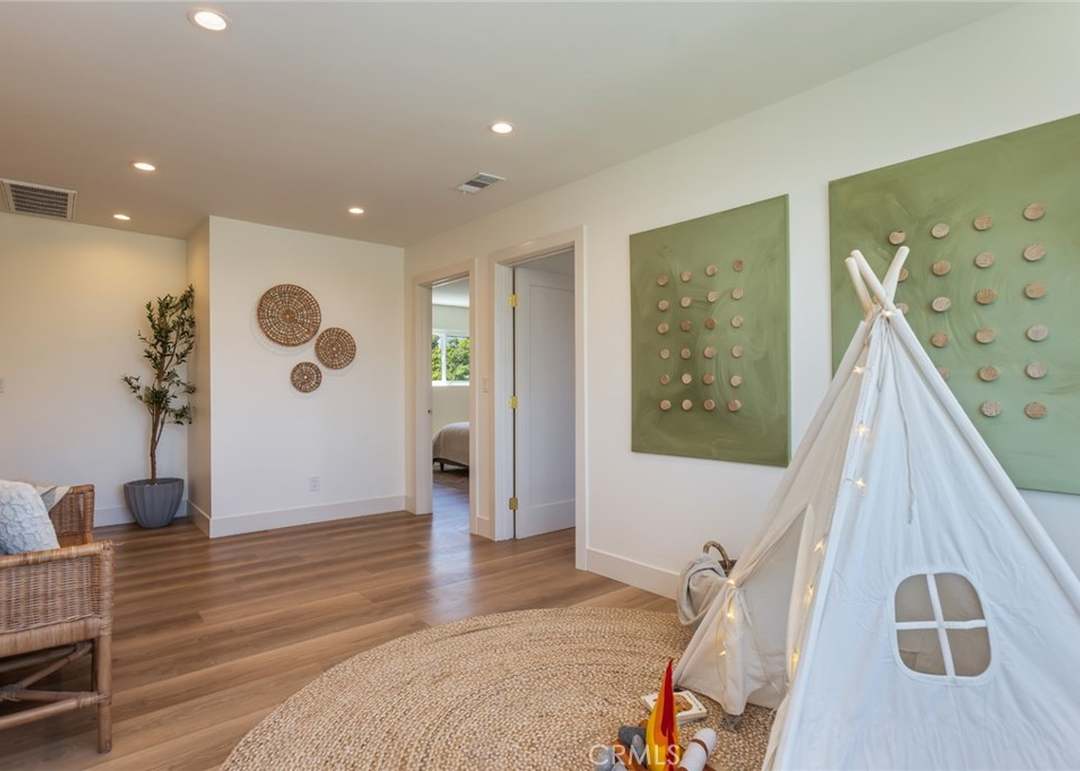
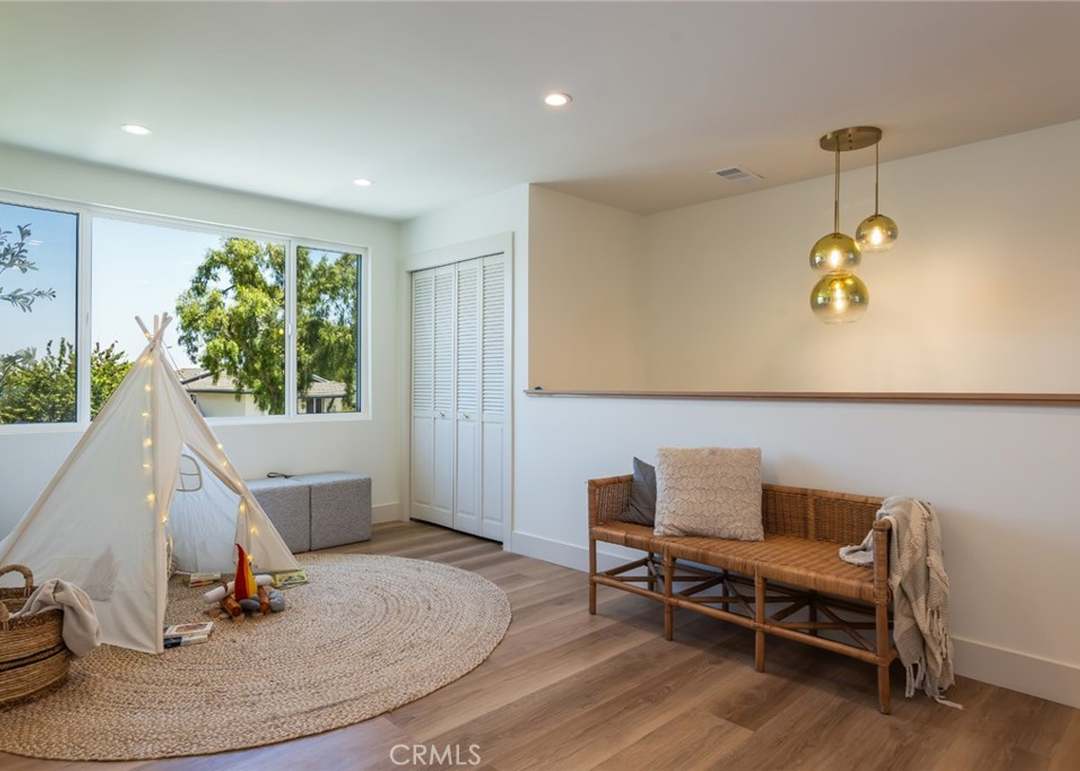
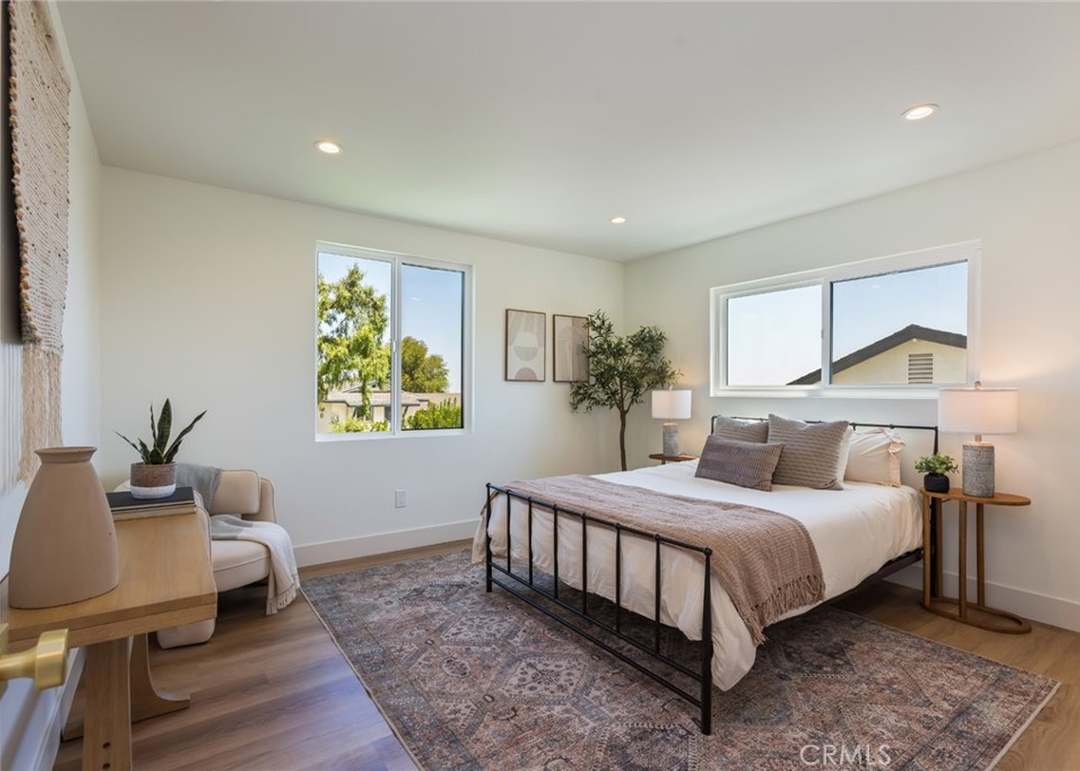
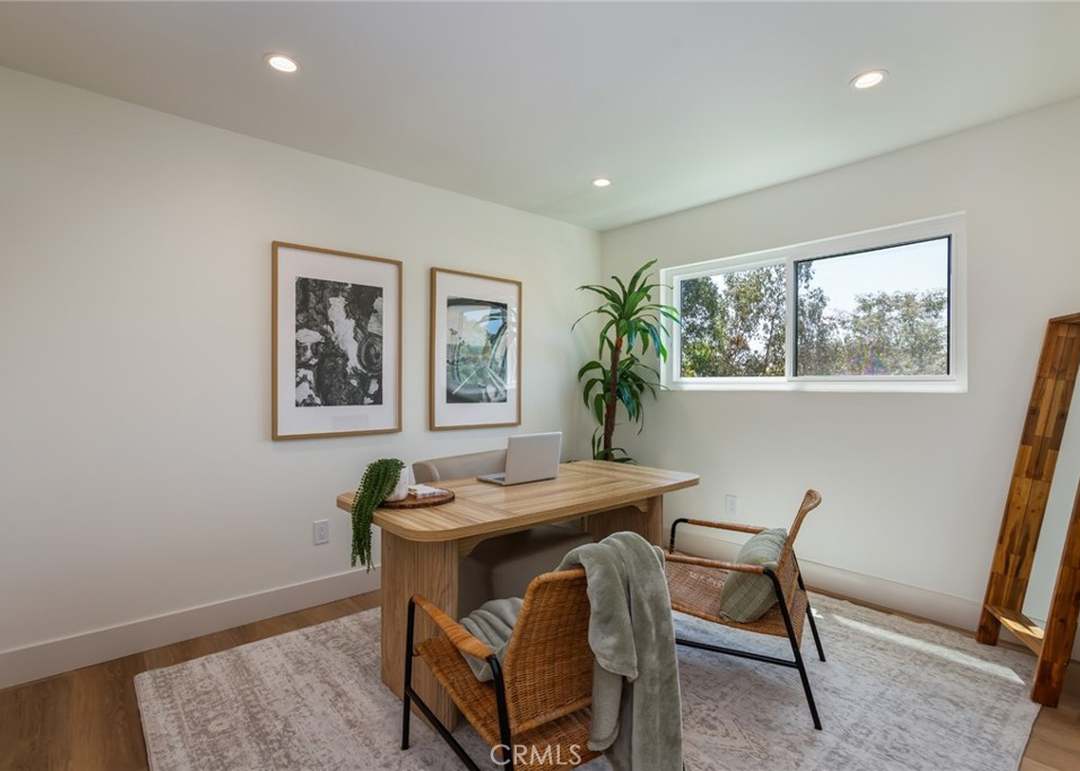
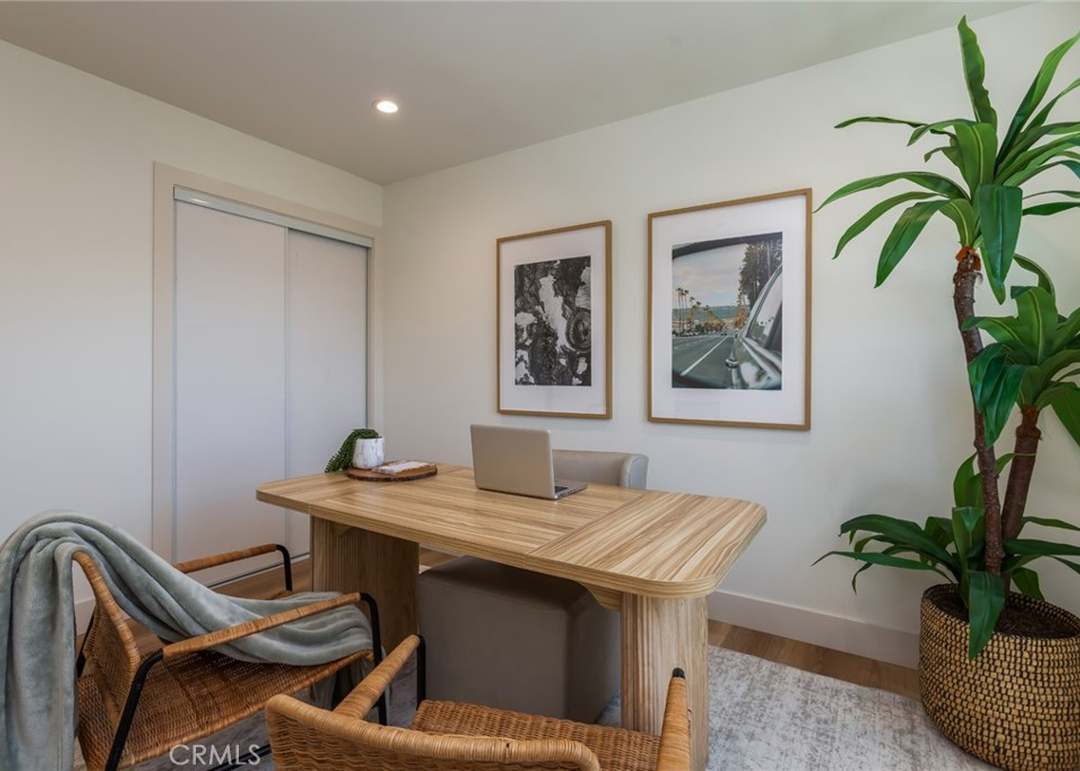
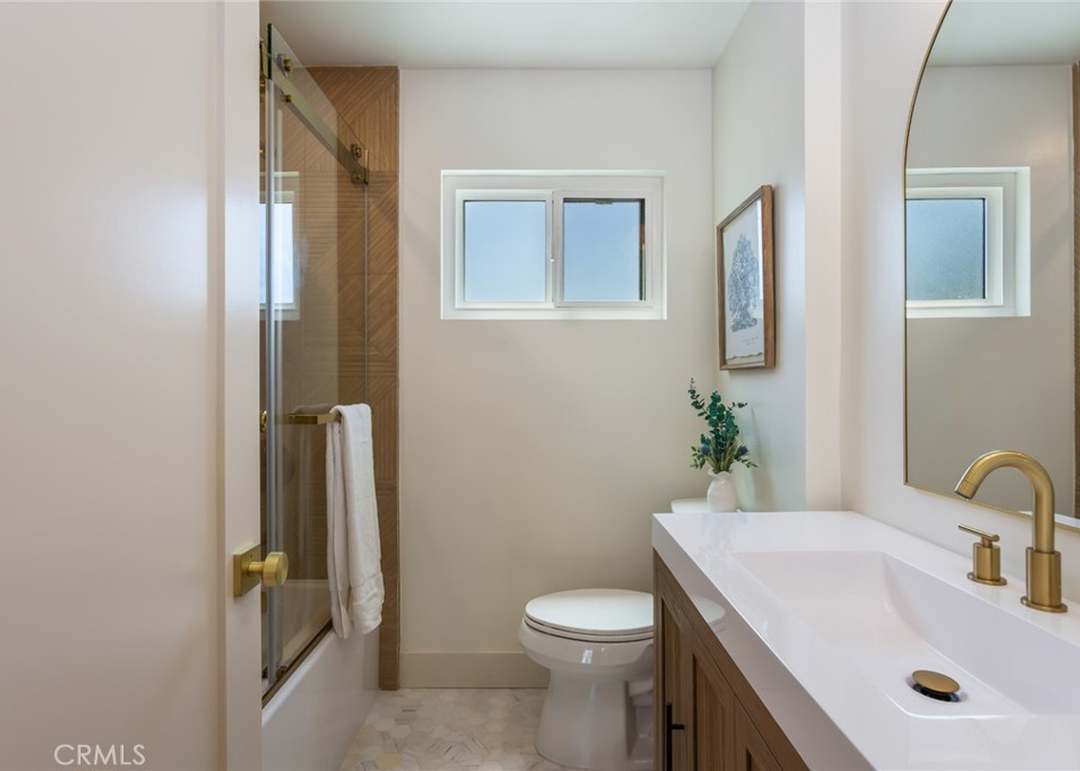
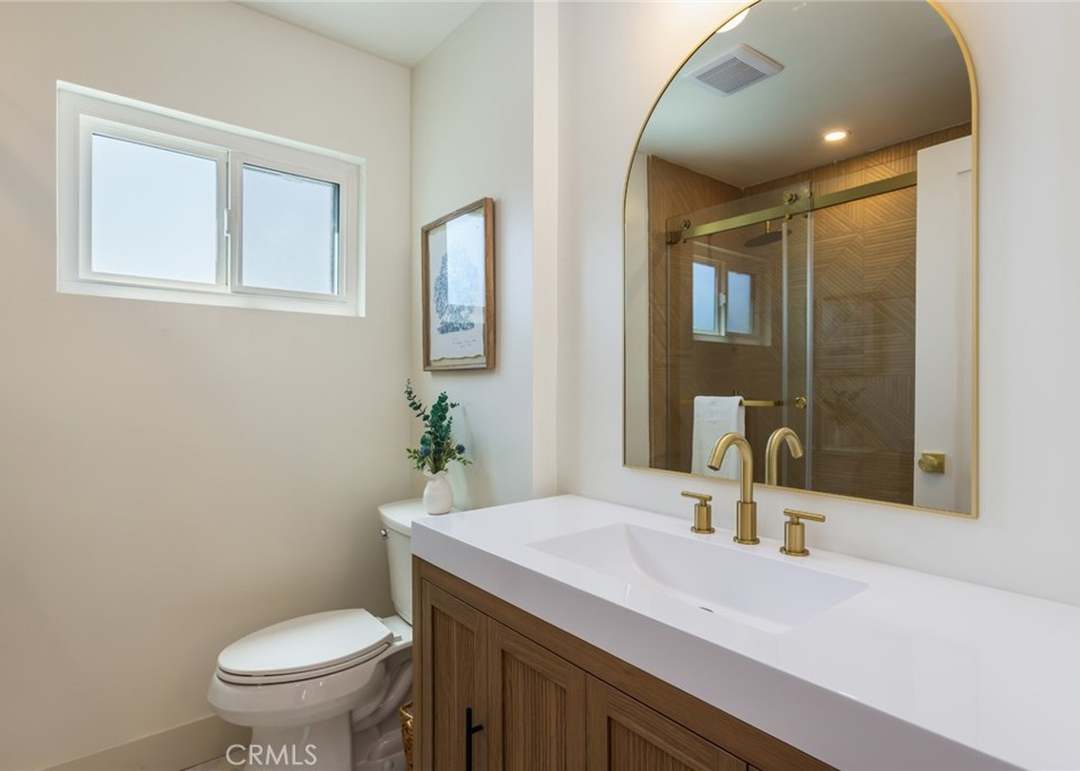
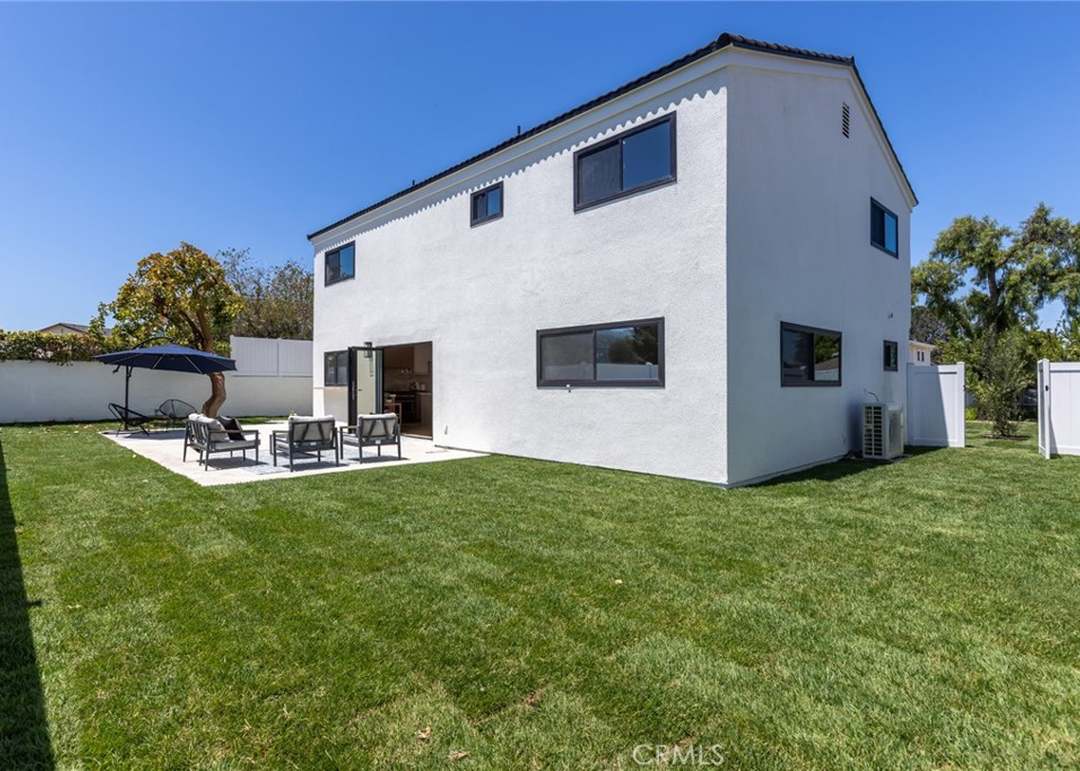
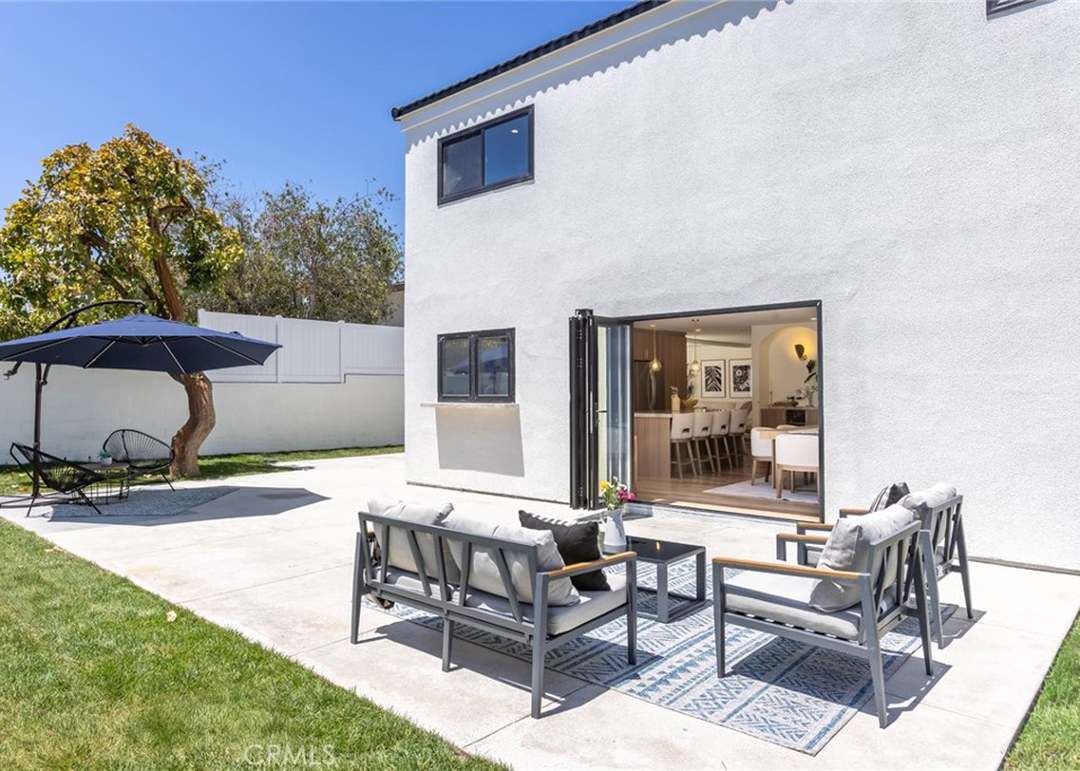
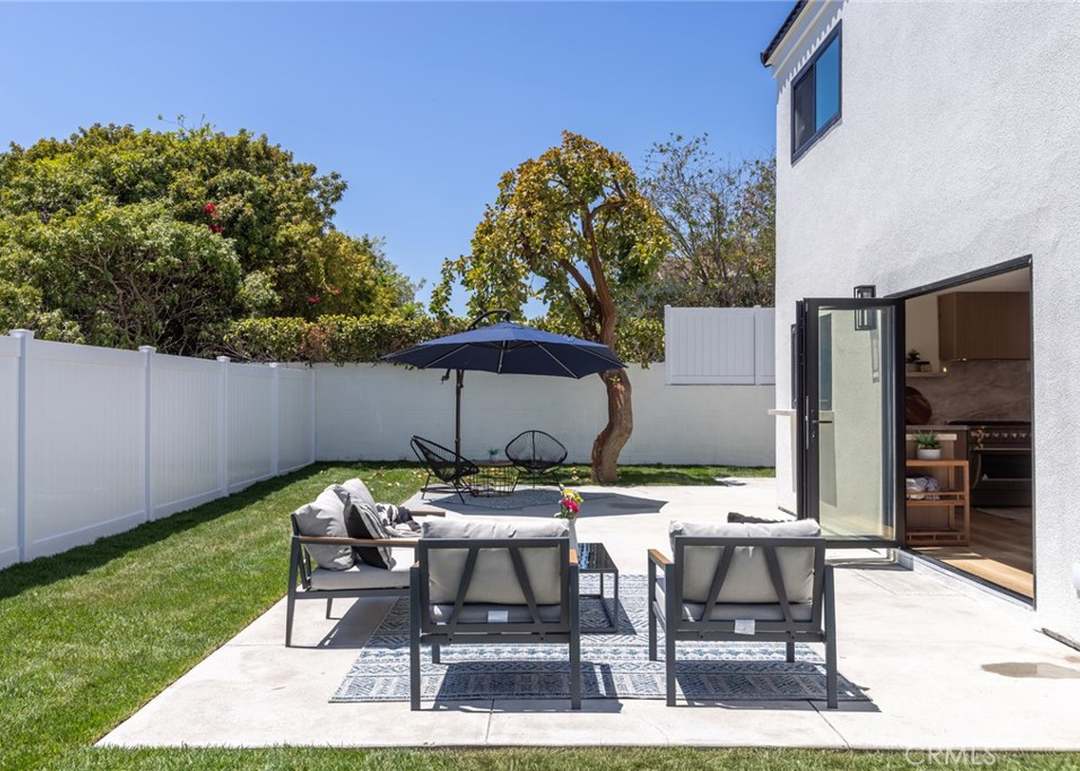
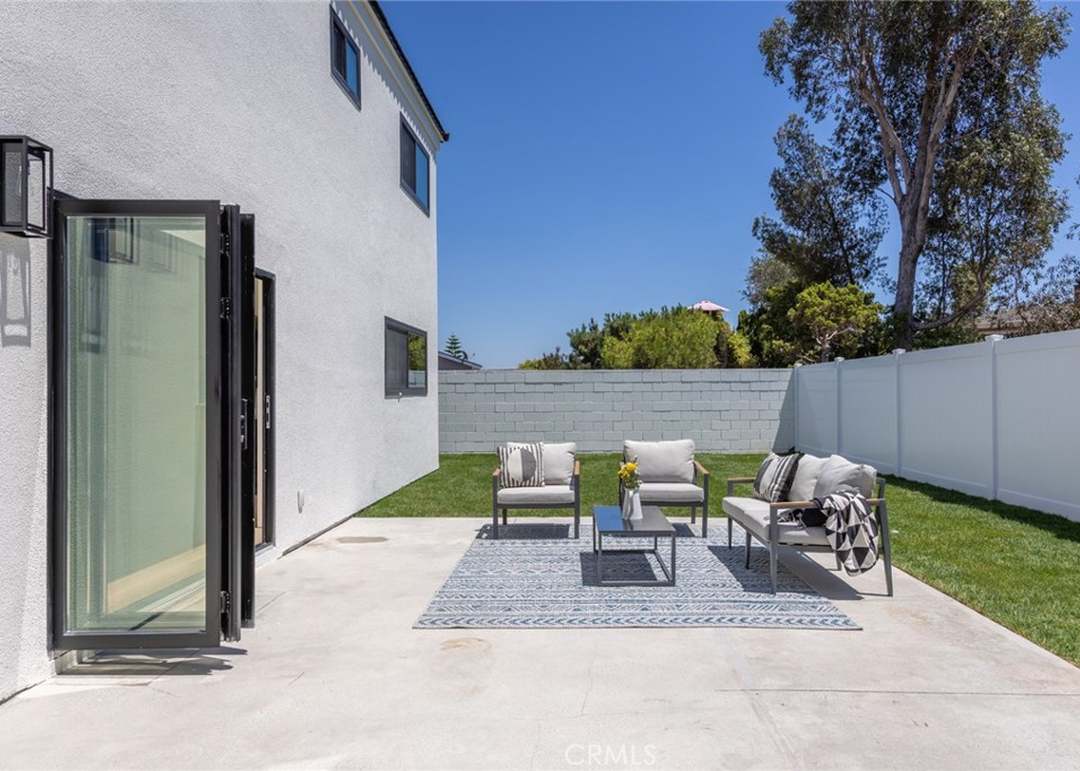
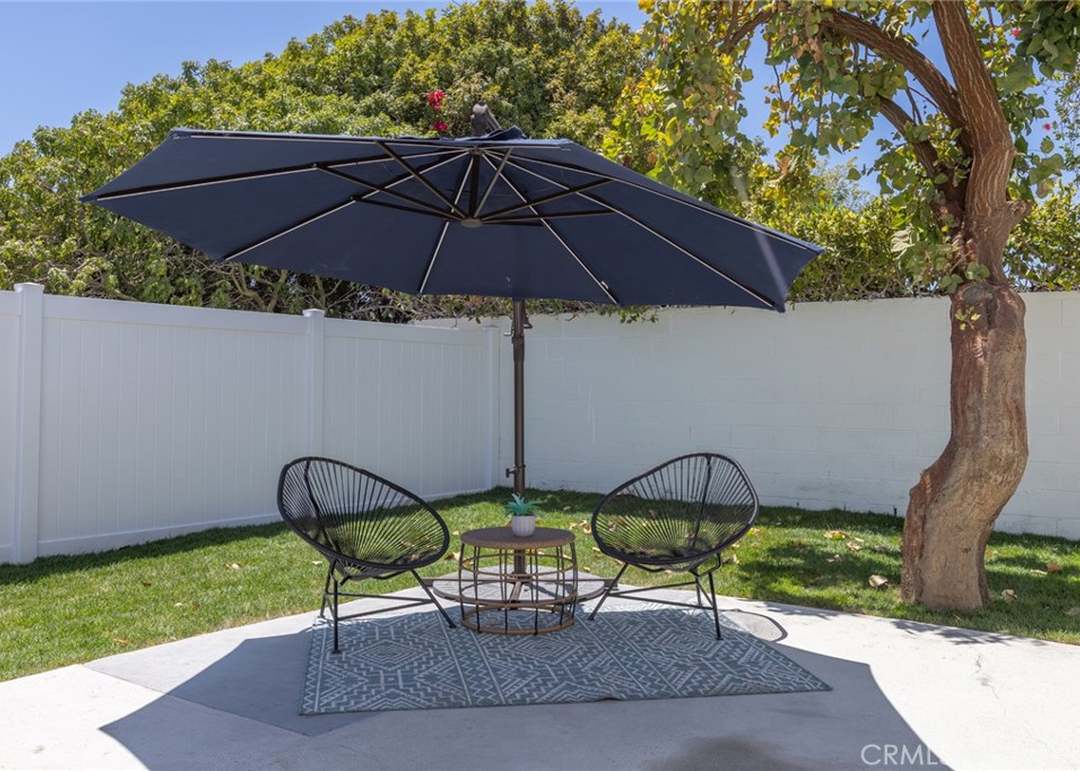
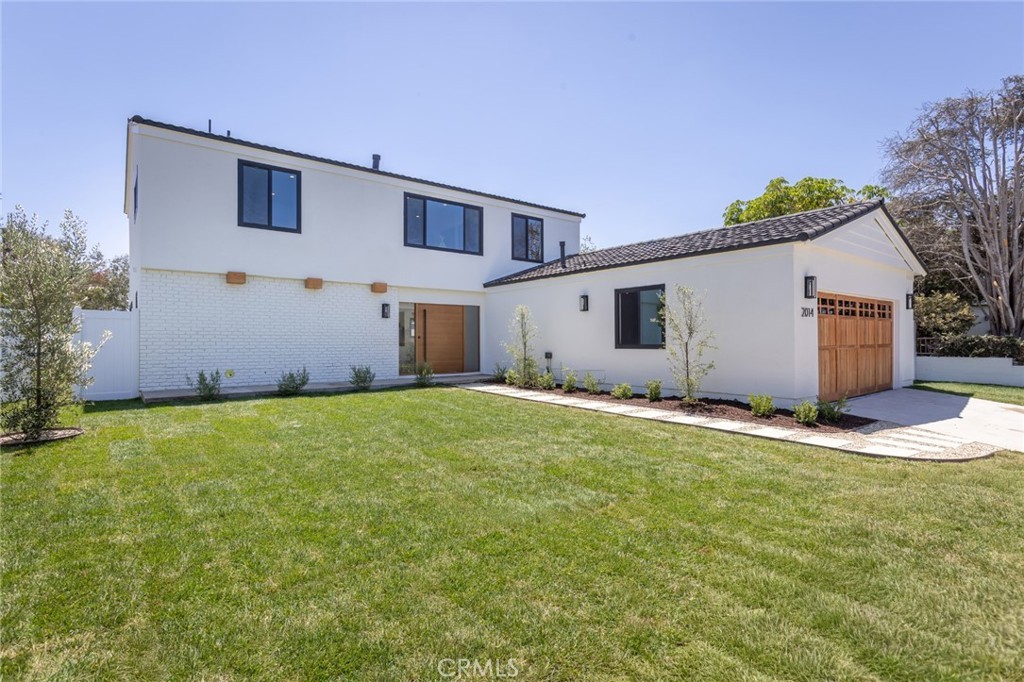
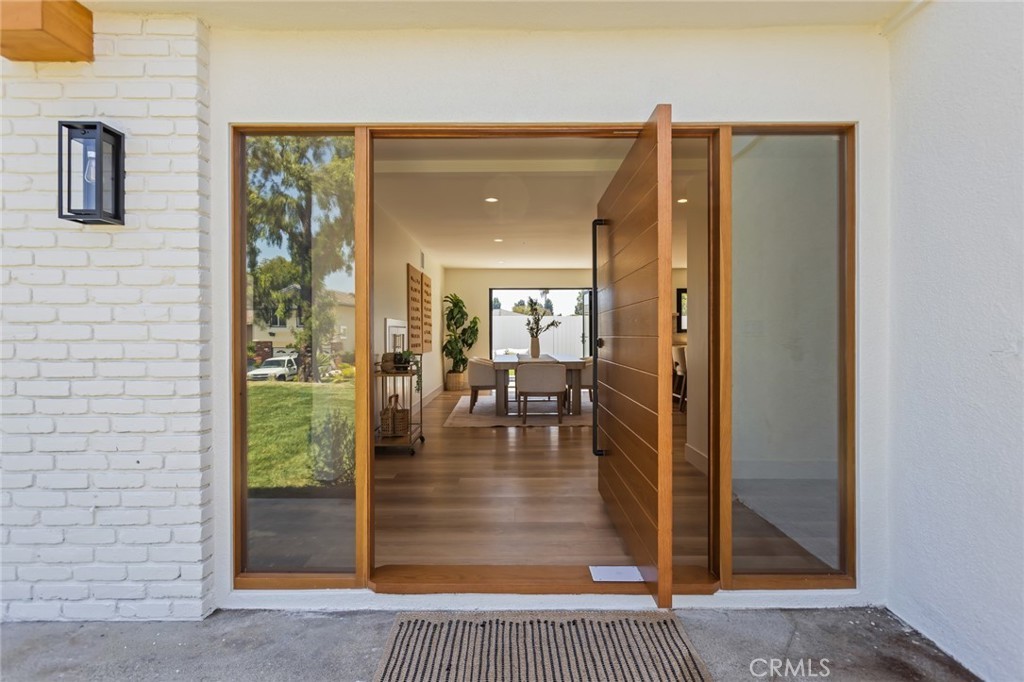
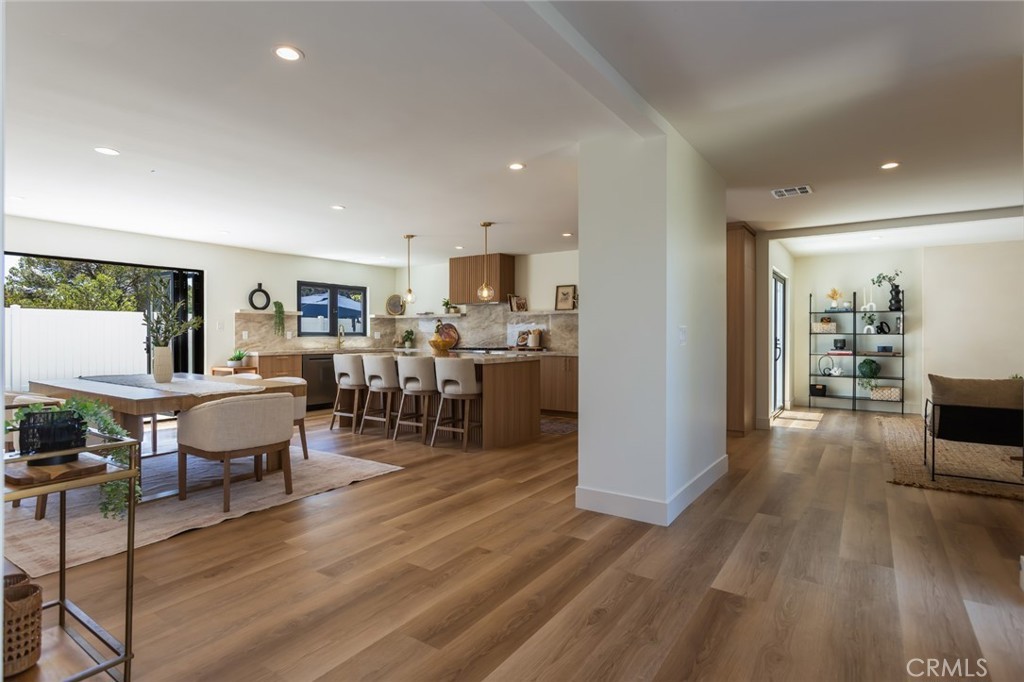
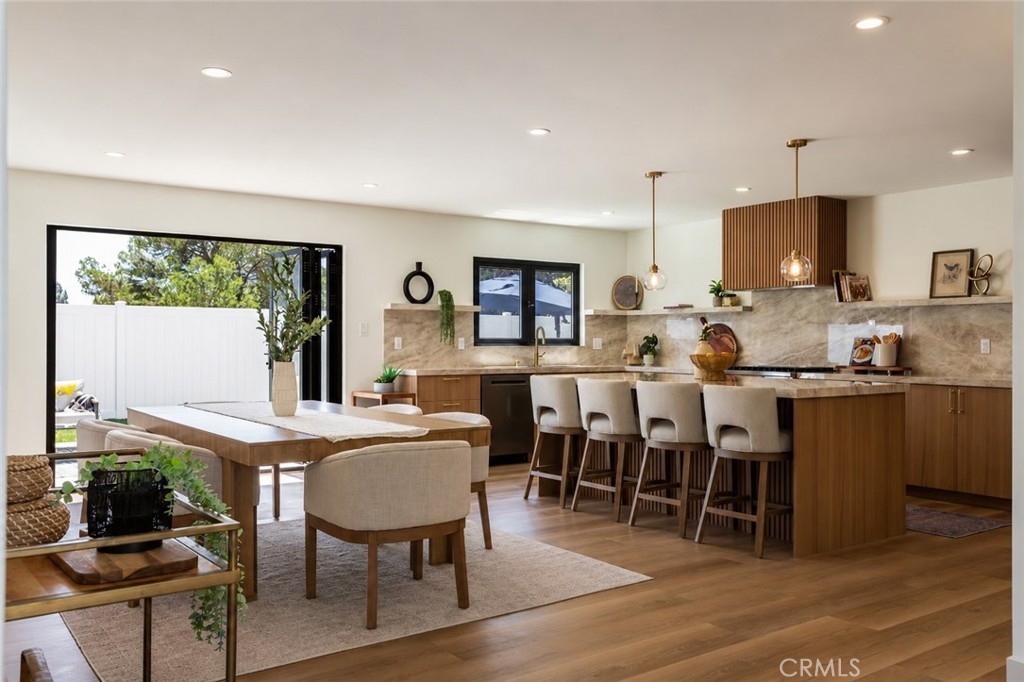
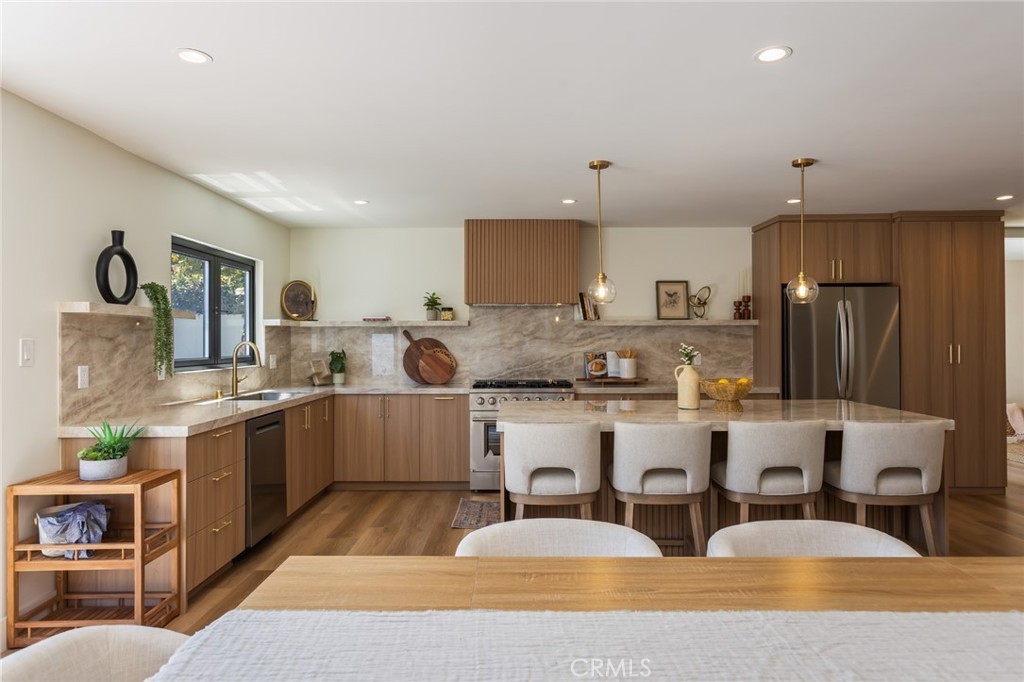
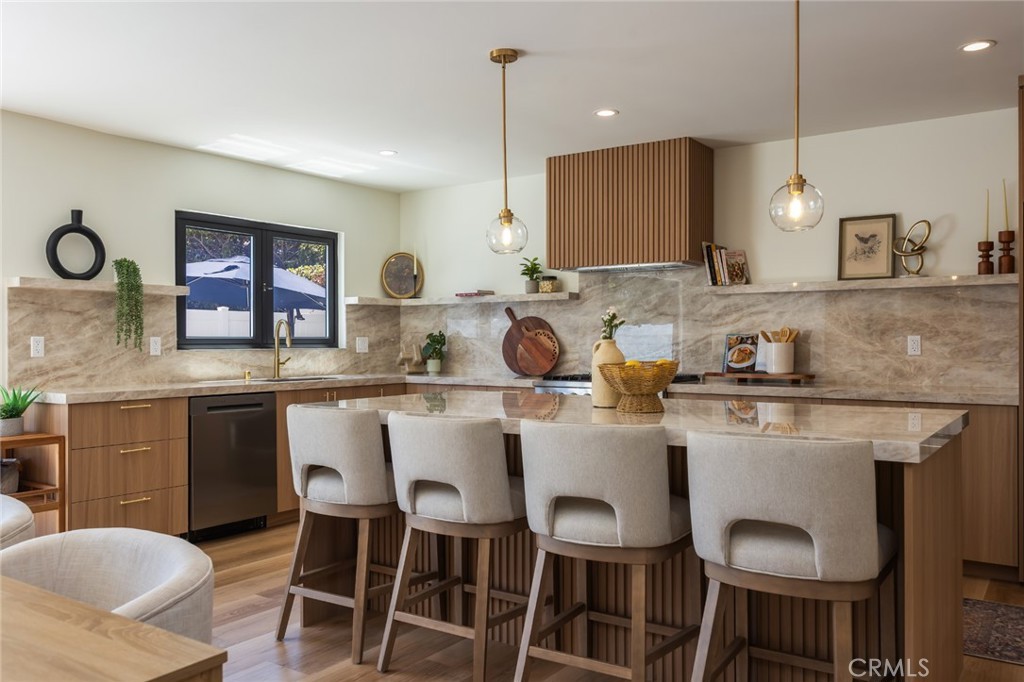
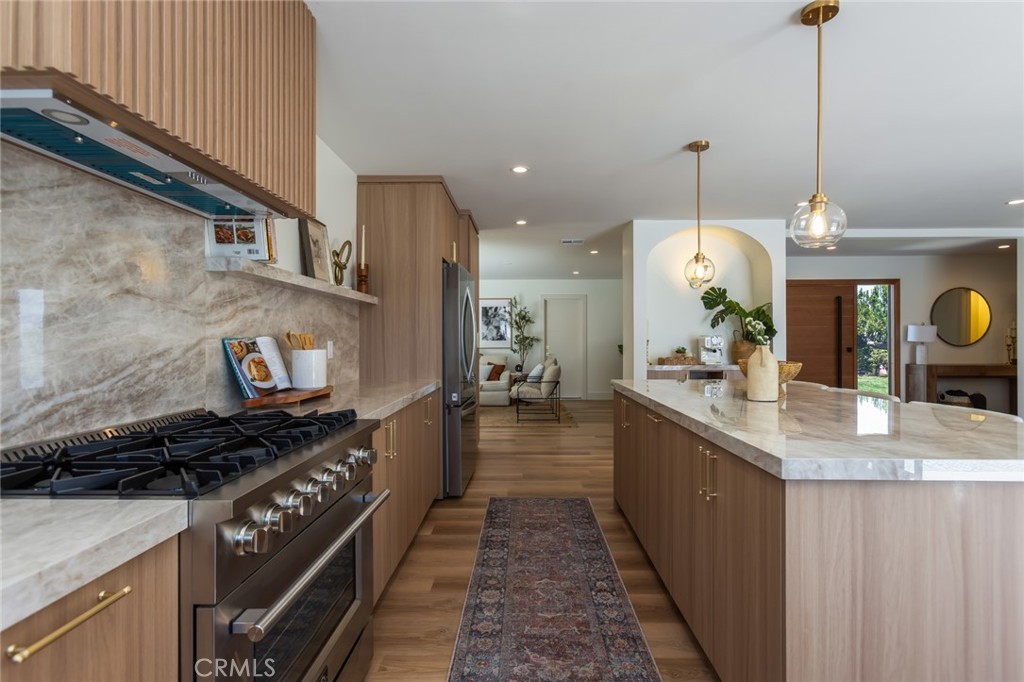
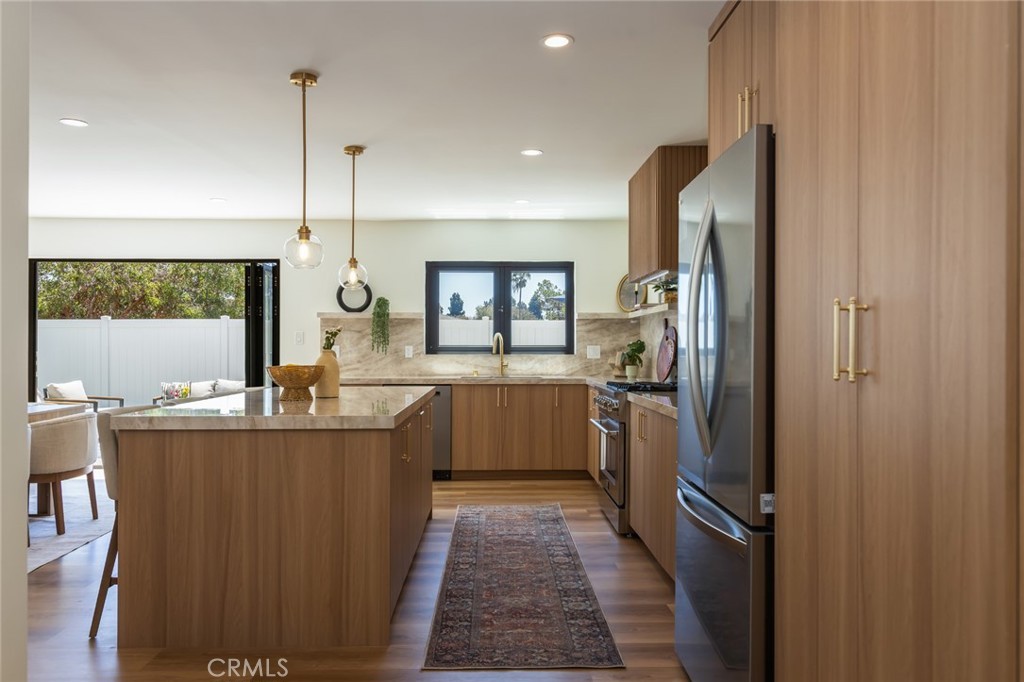
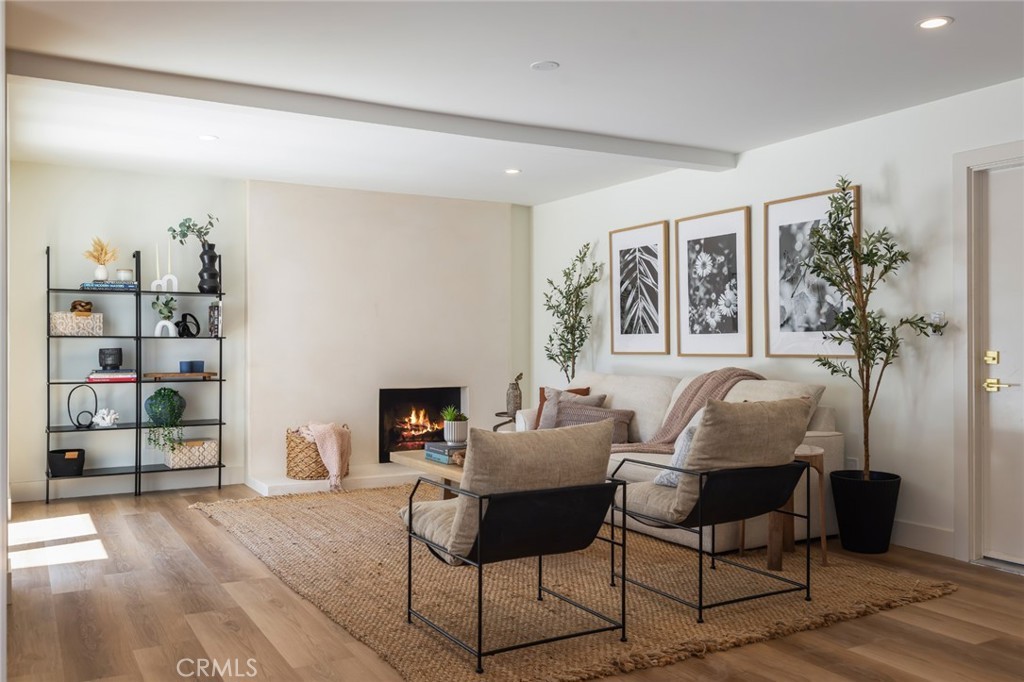
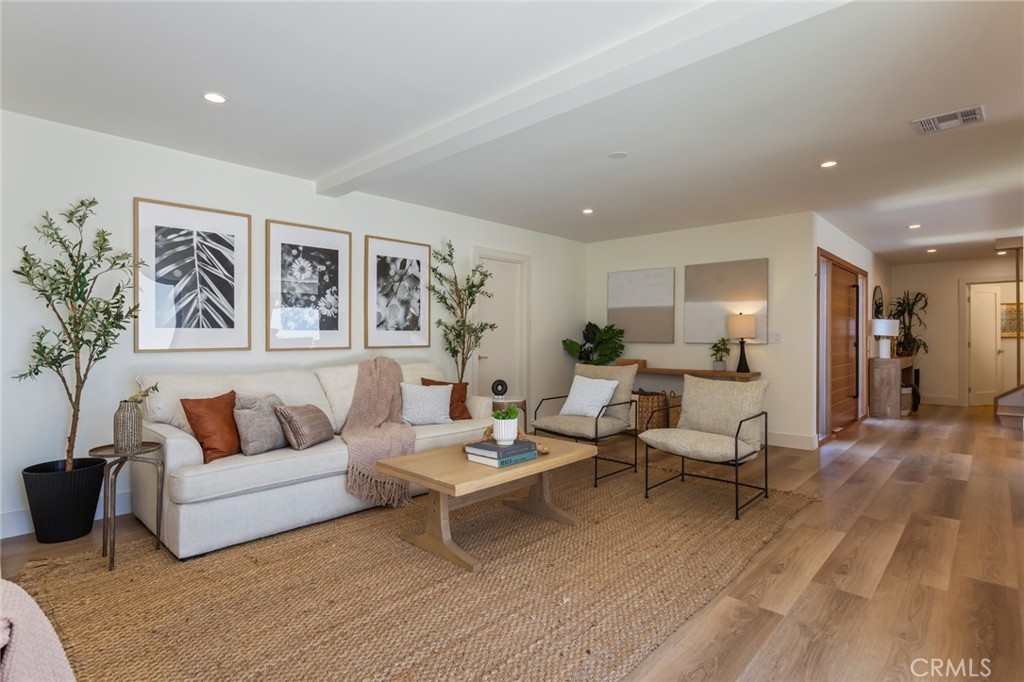
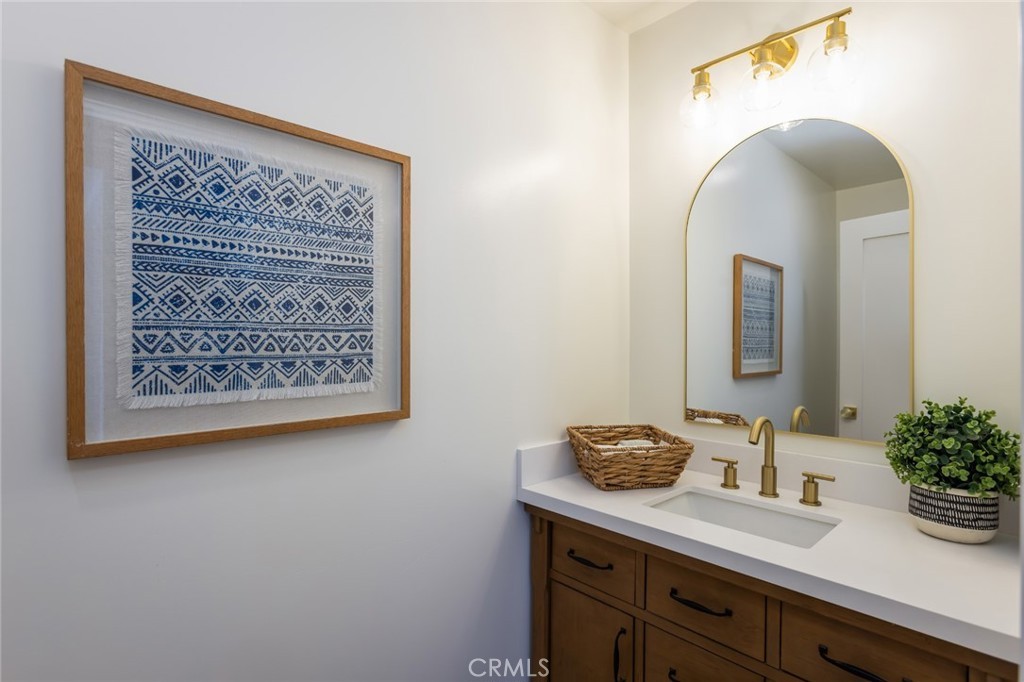
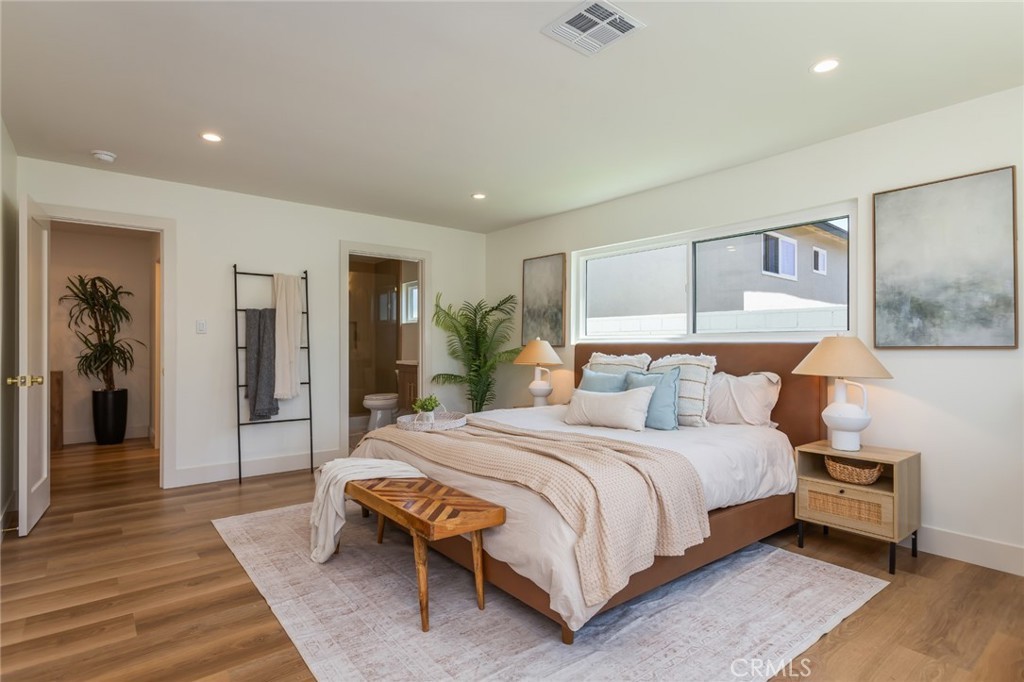
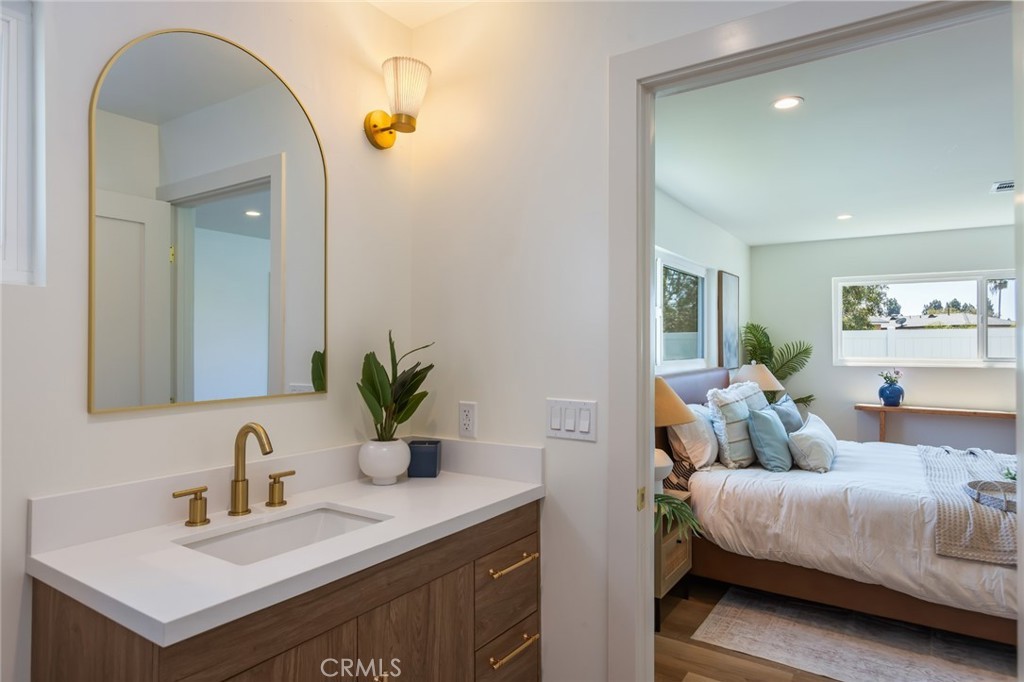
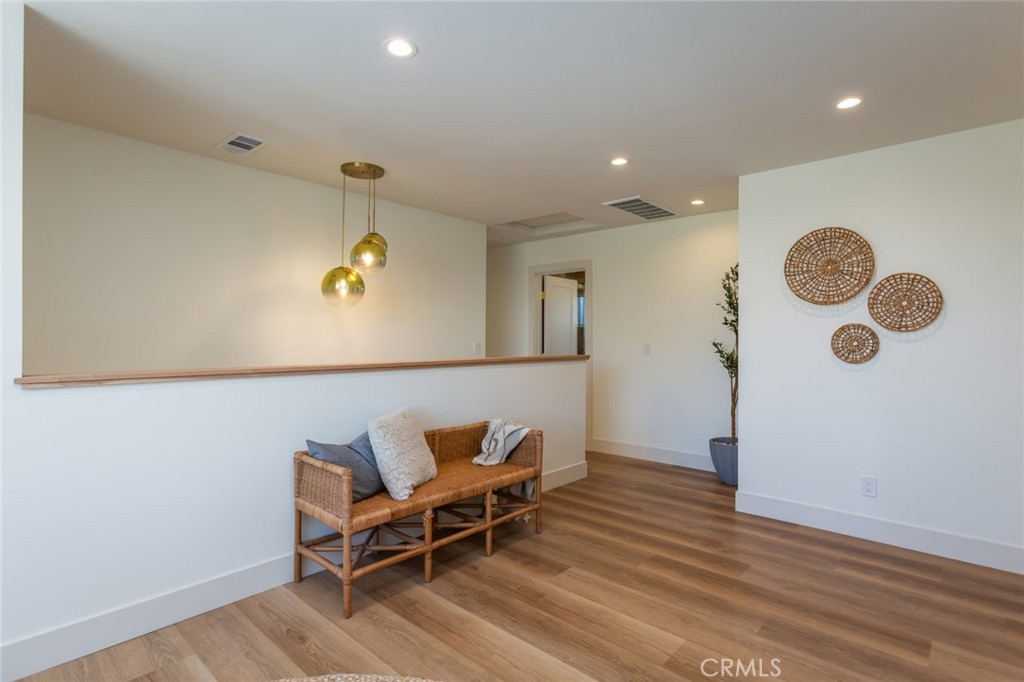
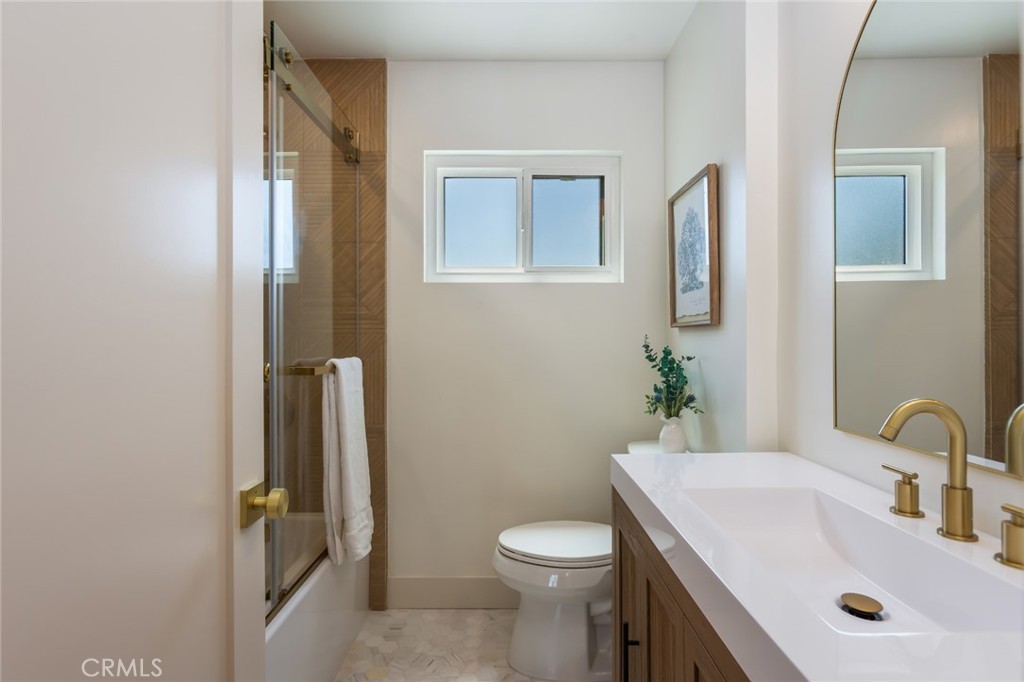
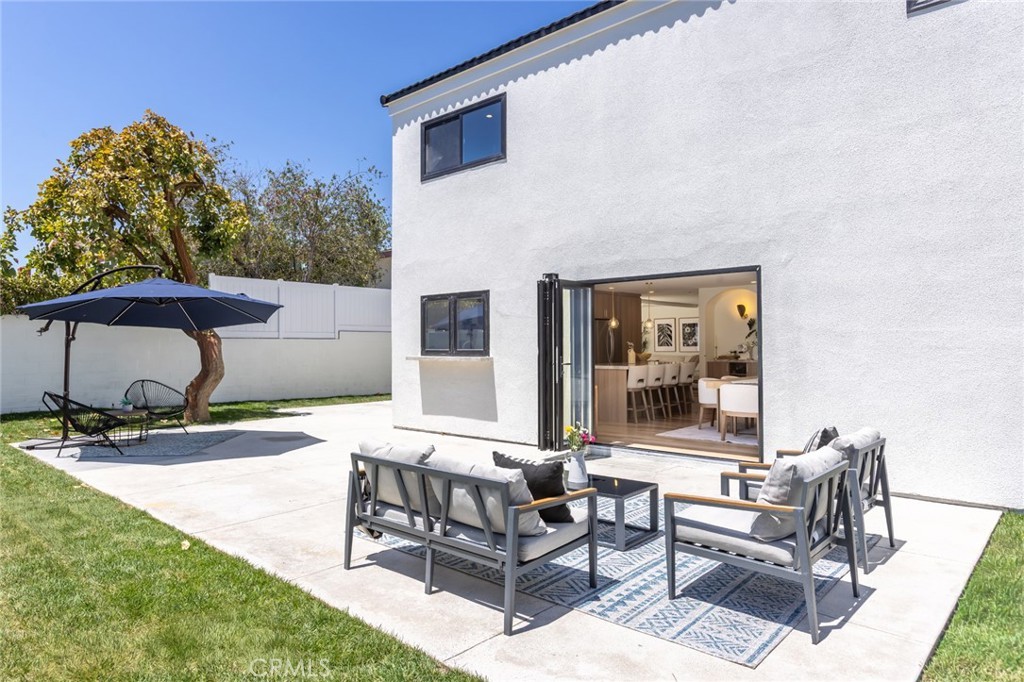
One of the clearest examples was our listing on Date Avenue in Torrance.
By the time we launched, rates were already spiking. If higher rates had eliminated buyer demand, this should have been exactly the kind of environment where buyers pulled back.
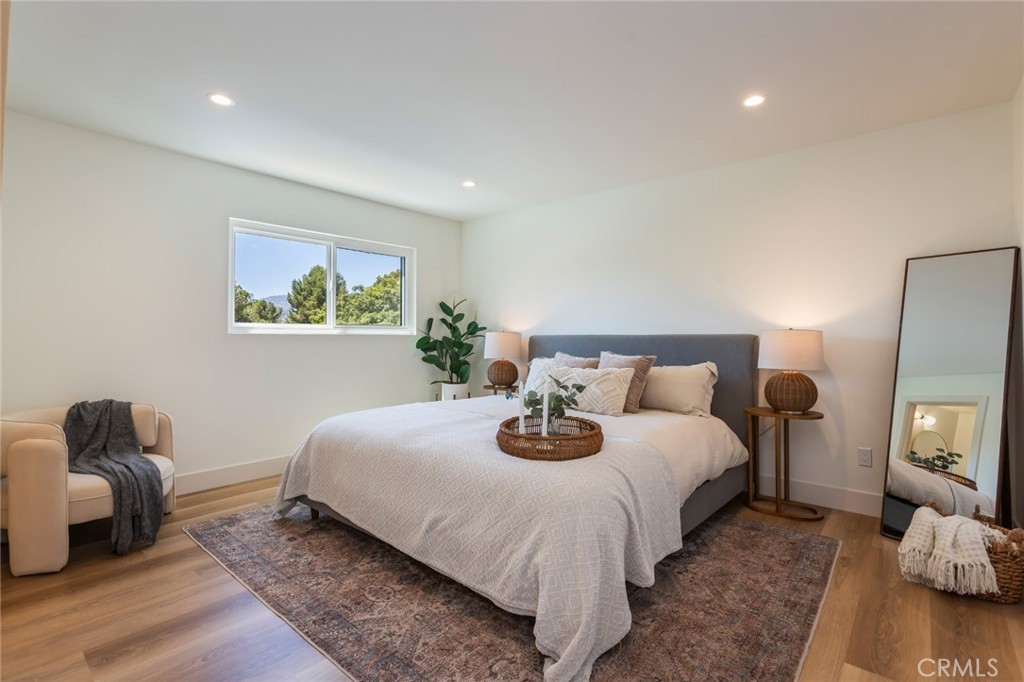
Instead, we had more than 100 people through the open house, generated seven offers, sold the home in six days, and ultimately closed approximately $200,000 above the closest comparable - which was the same model match.
That's not theory.
That's proof of concept.
Buyers are still out there. They will still compete. And they will still stretch for the right property.
But in this market, you have to give them a reason to.
I don't think there's some magic trick involved. This is simply the kind of market where the details matter more.
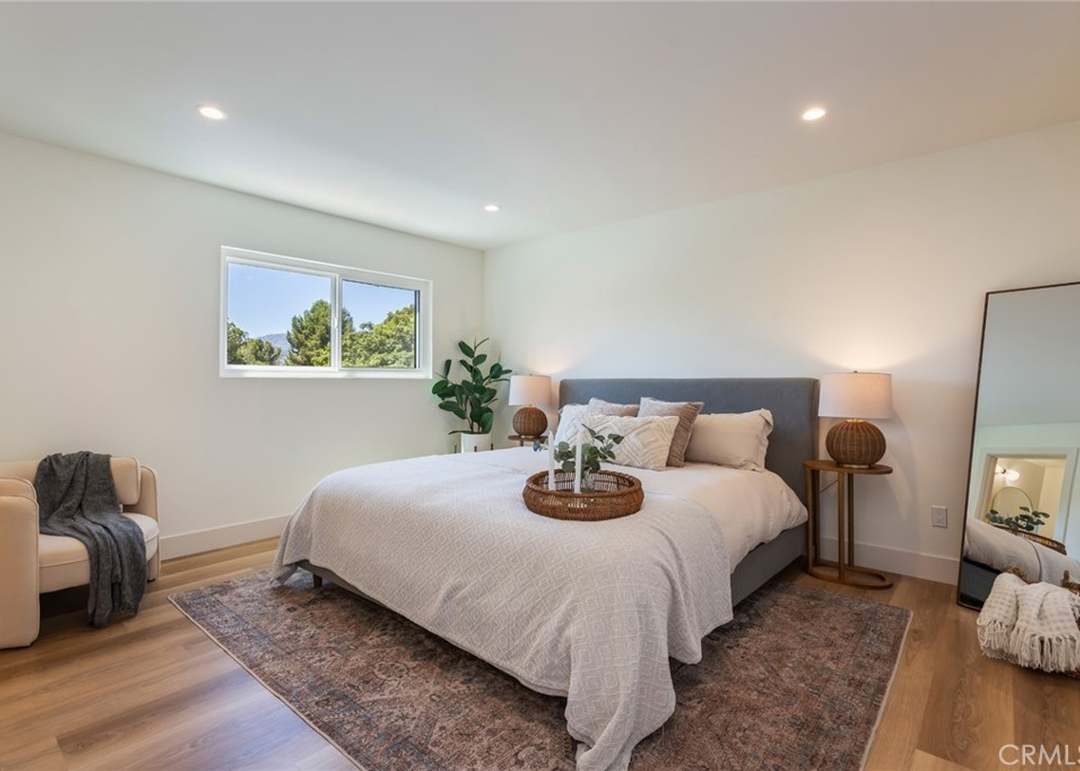
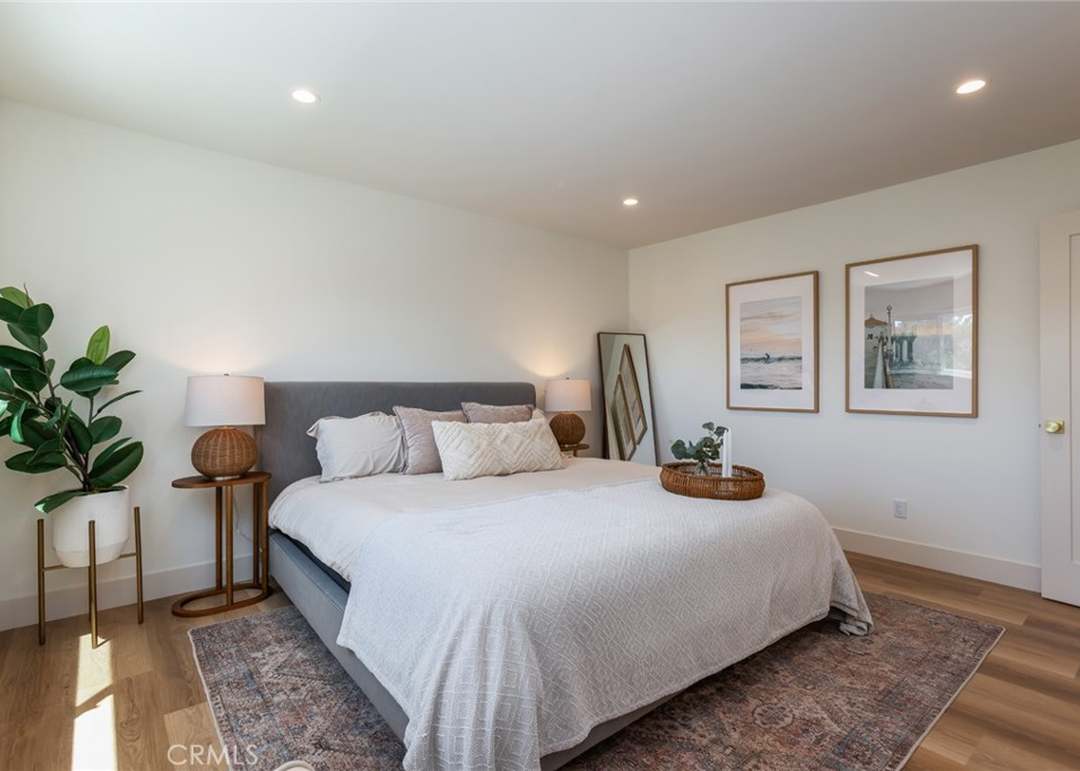
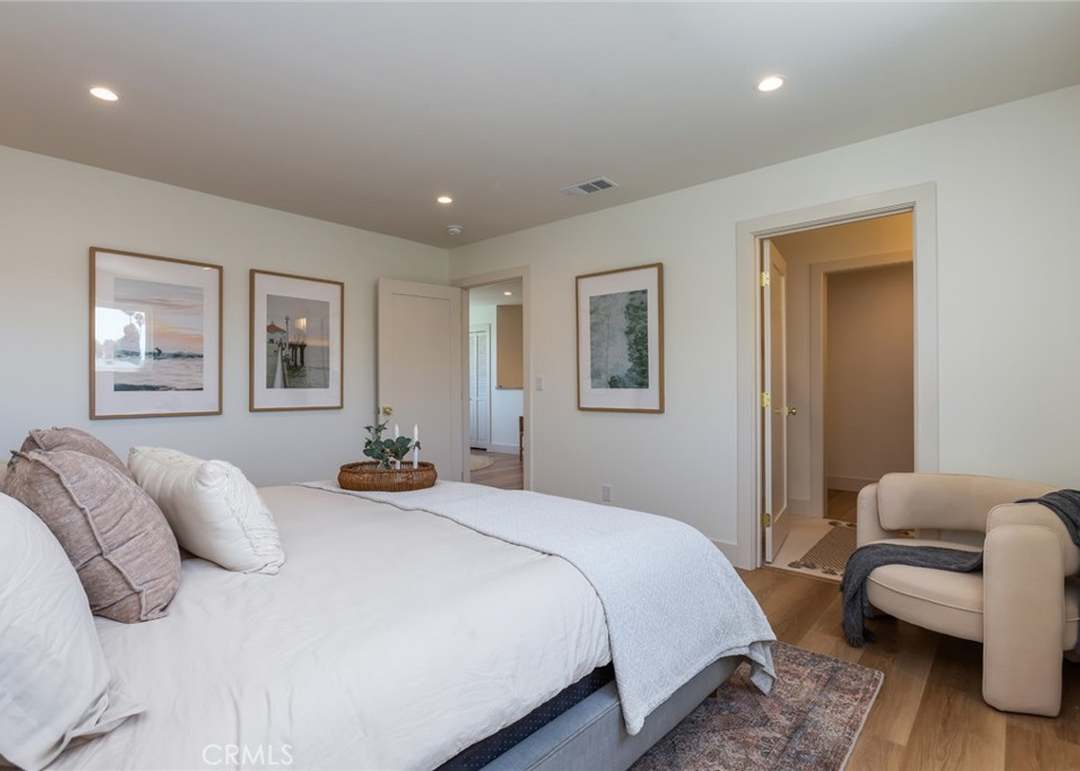
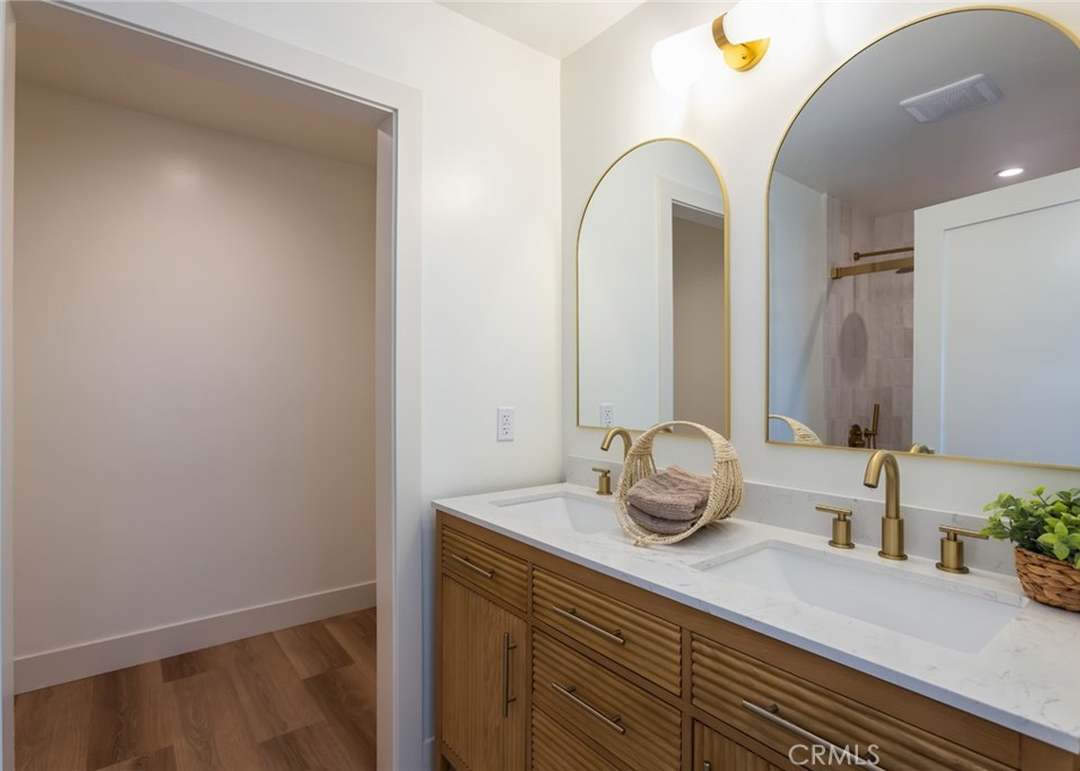
When buyers have more choices and borrowing money is expensive, you can't just put a house on the MLS, take some pictures and hope somebody falls in love with it.
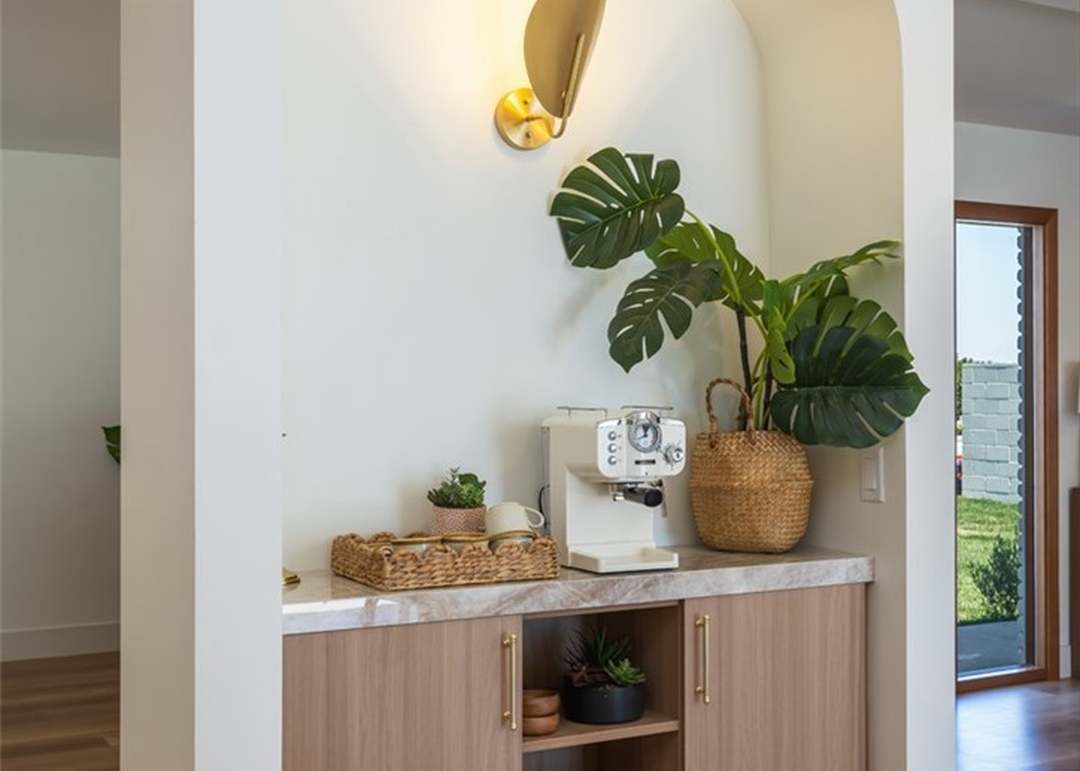
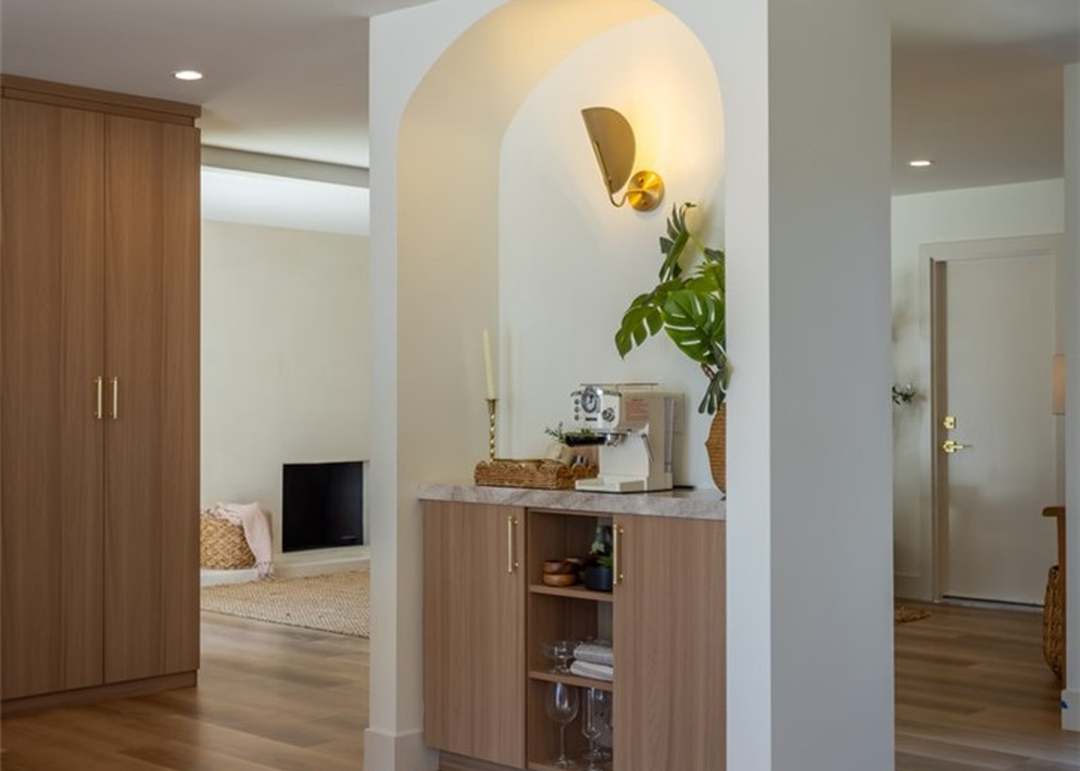
Presentation matters.
Pricing matters.
Pre-market strategy matters.
Exposure matters.
And understanding buyer psychology really matters.
A good agent also needs to know how to pivot when the market changes, because lately it seems to change every Tuesday.
Sometimes the Opportunity Is What Everyone Else Missed
Earlier this year, I came across a home in Torrance that perfectly illustrated the other side of this market.
It was a good property in a desirable neighborhood, but the presentation did it absolutely no favors.
The listing agent was perfectly nice. This isn't about criticizing another person. The property simply wasn't being marketed in a way that maximized its exposure or helped buyers understand what it could become.
And buyers responded accordingly.
The home came to market at roughly $1.5 million, sat for more than a month, and my clients ultimately purchased it for $1.35 million - about $150,000 below the original asking price.
I saw something different.
I saw the neighborhood. I saw the underlying property. I saw what buyers weren't seeing in its current condition.
Most importantly, I saw what it could be.
We're going to remodel the house, properly design and present it, and I believe when it's finished we're looking at a property capable of selling north of $1.8 million.
Same house. Same neighborhood.
Completely different strategy.
That's the part of real estate I love.
Sometimes my job is getting a seller every possible dollar the market will give them.
Other times my job is recognizing that another property wasn't maximized, finding the opportunity for my buyer and figuring out how to capitalize on it.
But there's a third scenario that's equally important.
What Happens When the Buyer Wants the House Everyone Else Wants?
Not every great purchase is a distressed listing, a fixer or a house nobody else understands.
Sometimes the house is beautiful.
It's priced correctly. It's presented correctly. The listing agent did a great job.
And everybody wants it.
That's when representing a buyer requires an entirely different skill set.
In those situations, my job isn't necessarily to find a discount. It's to figure out how to win without making a bad decision.
That means understanding what the property is actually worth, knowing the micro-market and the relevant comps, understanding what terms matter to the seller, having relationships with other agents in the South Bay, communicating with the listing side, and structuring an offer that gives my client the strongest possible chance of being selected.
Price matters.
But price isn't always the only thing that wins an offer.
I've spent years building relationships with agents throughout the South Bay and learning how different neighborhoods and different types of sellers behave. When we're competing against multiple buyers, that experience becomes part of the strategy.
The goal isn't simply to write the highest number on a piece of paper.
It's to write the best offer - price, terms, timing, contingencies, financing and presentation, and make sure the listing agent and seller have confidence that my clients are the buyers who will actually get the transaction closed.
In a competitive market, knowing how to get the house can be every bit as valuable as knowing which house to buy.
This Isn't a Bad Market. It's an Unforgiving One.
That's probably the best way I can describe the South Bay in 2026.
The market isn't dead.
Buyers haven't disappeared.
And good homes haven't suddenly stopped being valuable.
What has disappeared is a lot of the margin for error.
If a home is overpriced, poorly presented or inadequately marketed, buyers have become very comfortable ignoring it.
But when the right house hits the market at the right price, looks exceptional online and creates urgency, we're still seeing competition.
Date Avenue is a perfect example: rising rates, seven offers, six days on market and roughly $200,000 above the closest model-match comparable.
On the opposite side, a poorly positioned Torrance property sat for more than a month and created an opportunity for my buyers to purchase approximately $150,000 below its original asking price.
And when my buyers want the house that is priced and marketed correctly, my job changes again: know the numbers, know the players, understand what matters to the seller and structure an offer capable of winning.
Those are three completely different situations requiring three completely different strategies.
That's what I think gets lost when people try to summarize an entire housing market with a headline about interest rates or sales volume.
There isn't one South Bay market.
There are individual houses, individual neighborhoods, individual sellers and individual buyers.
Each one creates a different opportunity.
I've always looked at my job pretty simply:
On the listing side, maximize the asset.
On the buying side, find the opportunity, and when everyone else sees it too, know how to execute.
The strategy required to accomplish either one may change with interest rates, inventory, oil prices, Treasury yields or whatever curveball gets thrown at us next.
The objective doesn't.
Get the best possible result for the client.
2026 hasn't been the return to "normal" that we thought it might be.
Maybe normal isn't coming.
That's okay.
There is still a very active South Bay housing market underneath all of the noise.
You just have to be flawless in your execution to get the most out of it.
Check out this article next